Sir Patrick Stewart, the Shakespearean actor who became Captain Jean-Luc Picard and Professor Charles Xavier, died on Wednesday, October 28, at his home in Los Angeles. He was 86. A statement posted to his official social media channels said he died "following a brief and poignant journey with Alzheimer's Disease and Lewy Body Dementia," and that he would be remembered for the dignity, compassion and humanity he brought to his roles and his life. He is survived by his wife, the singer Sunny Ozell.
Few actors have played two of popular culture's defining leaders. Fewer still did it by refusing to raise their voices. Stewart's great gift was authority without bluster: the sense that the most powerful person in the room was the one listening hardest. For forty years, on a starship bridge and in a school for mutants, he made moral seriousness look like the most natural thing in the world.
From Mirfield to the Royal Shakespeare Company
Patrick Stewart was born on July 13, 1940, in Mirfield, West Yorkshire, into a working-class family. He left school at fifteen, worked briefly as a journalist on a local newspaper, and trained at the Bristol Old Vic Theatre School. In 1966 he joined the Royal Shakespeare Company, where he spent much of the next two decades. Shakespeare gave him the instrument that would later carry across the galaxy: a voice that could make an order sound like a question of conscience.
He was already a respected classical actor, with a small but memorable screen career that included Gurney Halleck in David Lynch's Dune (1984), when Hollywood came looking for a starship captain.
Make It So
When Star Trek: The Next Generation premiered in 1987, the casting of a bald, fortysomething British stage actor as the successor to William Shatner's Captain Kirk was regarded as a gamble. Stewart made it the show's foundation. His Jean-Luc Picard was a diplomat before he was a soldier, an archaeologist and a reader of Shakespeare who quoted Henry V and drank Earl Grey, a captain whose victories were won in conversation as often as in battle. Across seven seasons, from 1987 to 1994, he turned the bridge of the Enterprise into a stage for ethical argument, and helped secure the franchise's future at a moment when, as we wrote for Star Trek's sixtieth anniversary, its survival was never guaranteed.
The series gave him two of the most celebrated hours in television science fiction. In "The Best of Both Worlds", Picard is assimilated by the Borg and becomes Locutus; in "The Inner Light", he lives an entire lifetime on a dying planet in the space of twenty-five minutes. The four films that followed, from Star Trek Generations (1994) to Star Trek: Nemesis (2002), took Picard to the big screen. The best of them, Star Trek: First Contact (1996), returned to the trauma of the Borg and gave Stewart the chance to play rage, something the bridge had rarely allowed.
 Official trailer
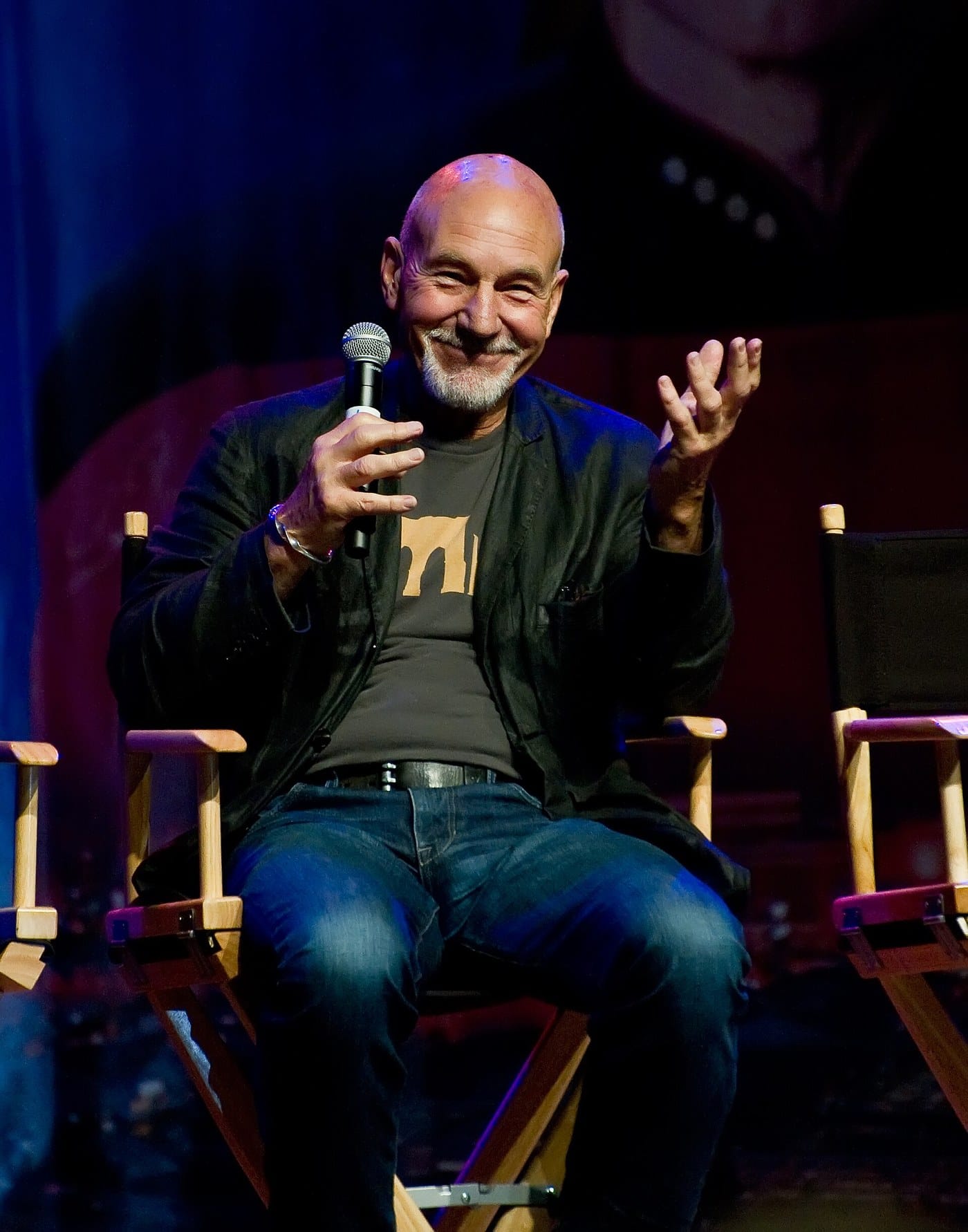
Professor X
In 2000 Bryan Singer cast him as Professor Charles Xavier in X-Men, opposite his close friend Ian McKellen as Magneto. It was a piece of casting that understood the material better than most comic-book films of its era. The X-Men's central argument is between two old friends, a pacifist and a radical, who both have reason to fear the world. Two great stage actors, who had known each other for decades, made that argument feel like a lifelong conversation.
 Official trailer
Stewart played Xavier across X2 (2003), X-Men: The Last Stand (2006) and X-Men: Days of Future Past (2014), but his finest hour in the role came at the end. In James Mangold's Logan (2017), Xavier is a man in his nineties whose failing mind has become a weapon. Stewart played him with frailty, humour and terrible tenderness, and the performance now reads very differently. It is a portrait of a great intellect losing its grip, made by an actor who would, years later, face illness of his own.
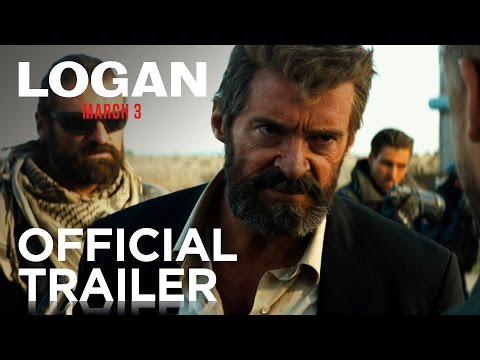 Official trailer
He returned to the part once more as a variant of Xavier in Doctor Strange in the Multiverse of Madness (2022), and was confirmed for Avengers: Doomsday, the Russo brothers' film that reunites the original X-Men cast and is due in cinemas on December 18. As we noted earlier this month, that film brings Stewart and McKellen together again. It will now be his farewell.
The Stage, and the Friendship
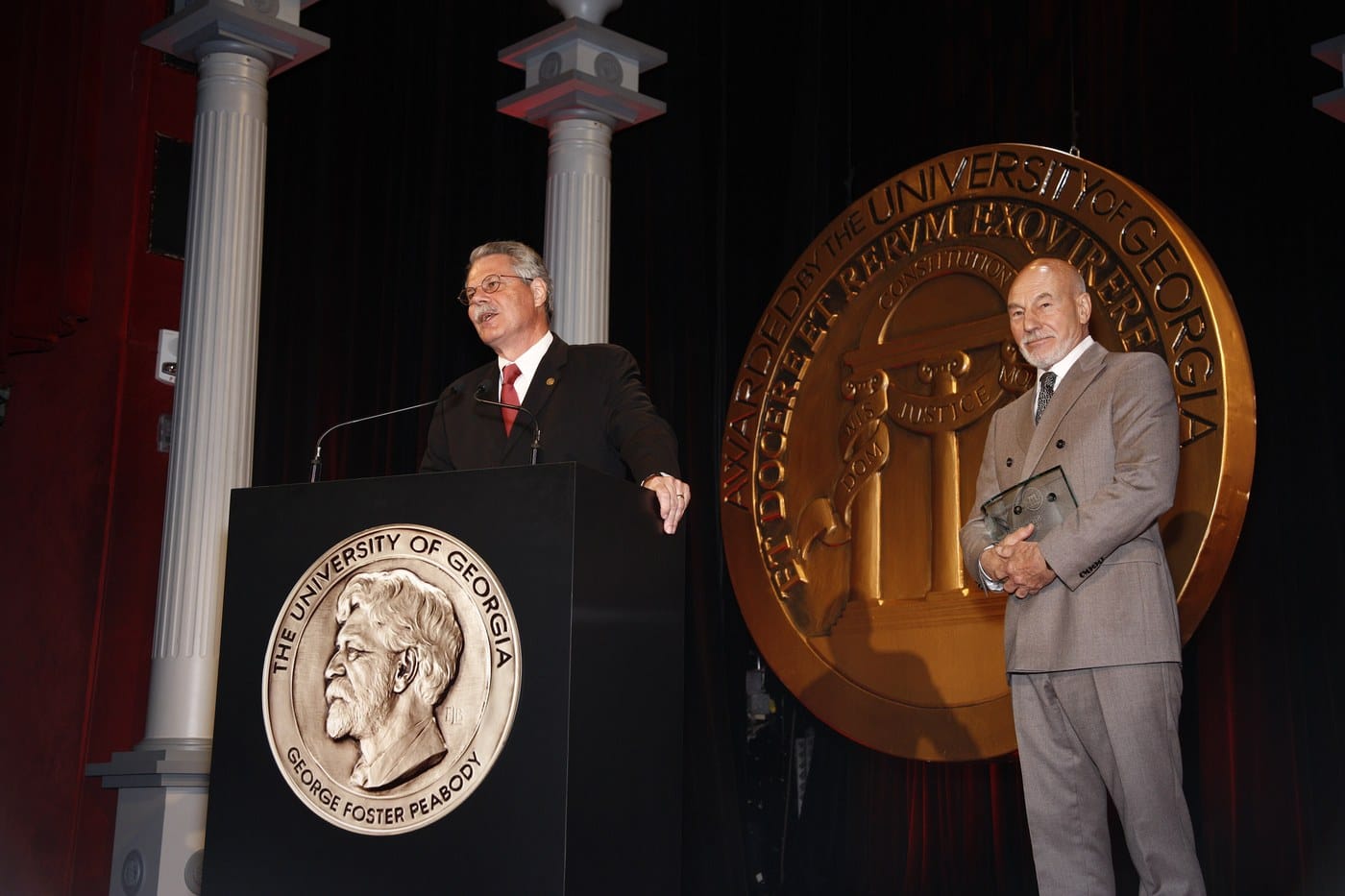
Stewart never left the theatre. His one-man A Christmas Carol, in which he played every character, became a fixture for years. His Macbeth, set in a Soviet-style police state, moved from Chichester to the West End and Broadway. With McKellen he played Vladimir and Estragon in Waiting for Godot, first in London in 2009 and then on Broadway in 2013, paired in repertory with Harold Pinter's No Man's Land. The two men's friendship, on stage and off, became a story in itself, and McKellen officiated at Stewart's wedding to Sunny Ozell in 2013. He was knighted in 2010 for services to drama.
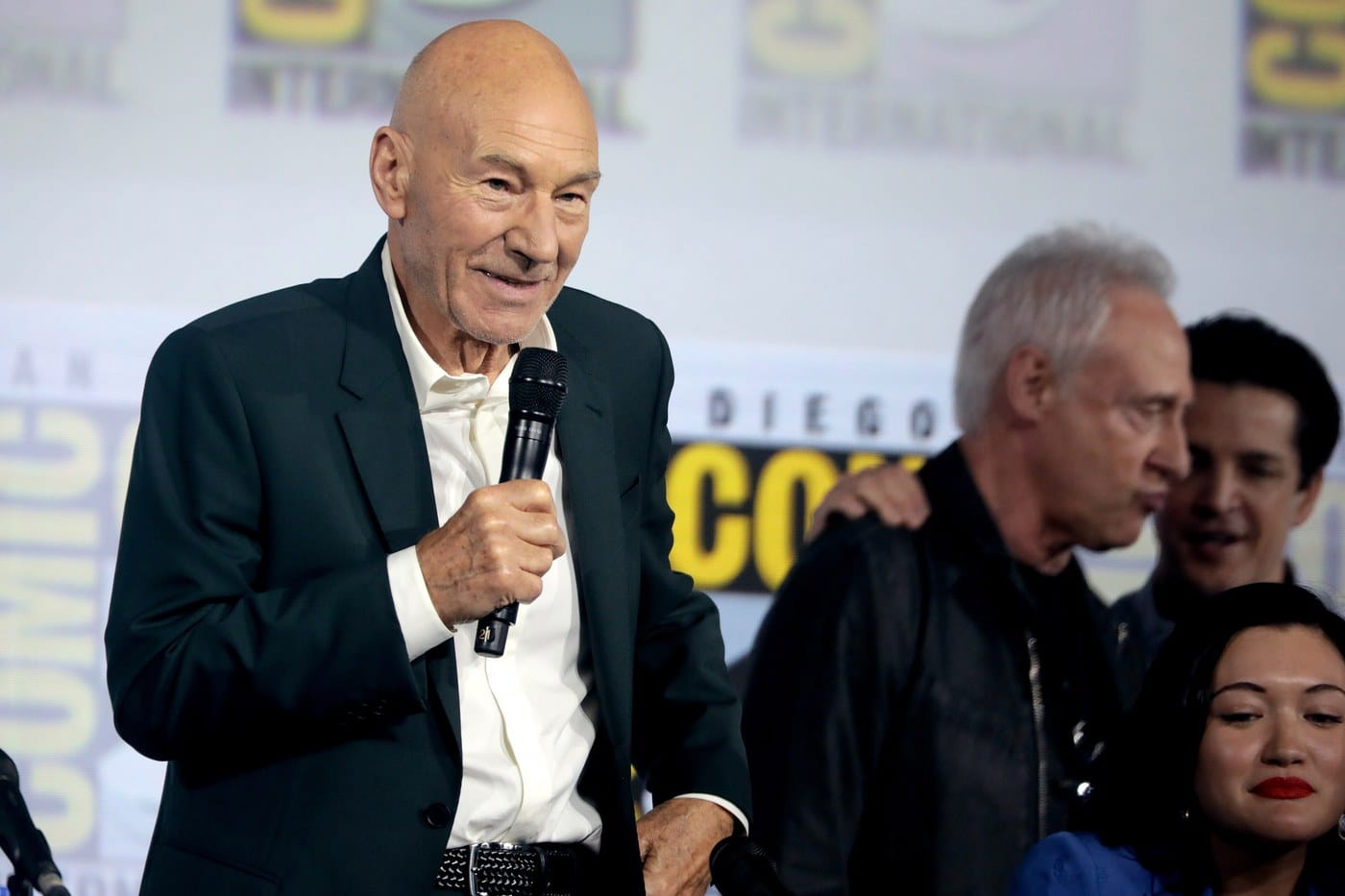
He also had a gift for comedy that his most famous roles rarely used. He voiced the CIA deputy director Avery Bullock in American Dad!, sent up his own gravitas on Ricky Gervais's Extras, and in later life became an unlikely social media presence, reading Shakespeare's sonnets to followers during the pandemic, one a day.
The Last Command
In 2020, nearly two decades after Nemesis, he returned to his signature role in Star Trek: Picard, an older, sadder and more uncertain Picard, haunted by the losses of the life he had led. Its third and final season, in 2023, reunited him with the crew of the Enterprise for a farewell that much of the audience had waited thirty years to see. The same year he published his memoir, Making It So.
 Official trailer
What made Stewart singular was the way he combined the classical and the popular without condescending to either. He brought the same seriousness to a Klingon tribunal that he brought to King Lear, and the same warmth to a school for mutants that he brought to Scrooge. He made millions of viewers, many of them children, believe that the most heroic thing a leader could do was to think carefully, speak honestly and choose mercy. Few actors have left a better lesson behind them.
Sir Patrick Stewart was 86. We shall not look upon his like again.