On October 24, 1996, a game from a small studio in Derby arrived on the Sega Saturn in Europe, and with it a character who would outgrow her medium faster than anyone had planned. Thirty years later Lara Croft has been a polygon pin-up, a Hollywood franchise, a traumatised survivor, a cartoon heroine and, soon, a prestige television lead. Few characters in any medium have been rebuilt so often and survived it. The secret of her longevity is that each version kept something essential and threw almost everything else away.
This weekend the series celebrated its birthday in the city where it began, at TR30 in Derby, with a new teaser for Tomb Raider: Legacy of Atlantis, a full remake of that first game. It is a fitting moment to trace the line from the cave in Peru to the screen, and to ask what, after thirty years of reinvention, actually makes Lara Lara.
1996–2003: Core Design and the Birth of an Icon
Tomb Raider was made by Core Design and published by Eidos Interactive, with Lara created by the artist Toby Gard. Its premise was simple and new: a British archaeologist, hired by the businesswoman Jacqueline Natla to recover a mysterious artefact called the Scion, travels through Peru, Greece and Egypt to the lost island of Atlantis. What made it revolutionary was space. Few games had asked players to read three-dimensional architecture the way Tomb Raider did, with every jump measured, every ledge a question, and the silence of an empty tomb as part of the design.
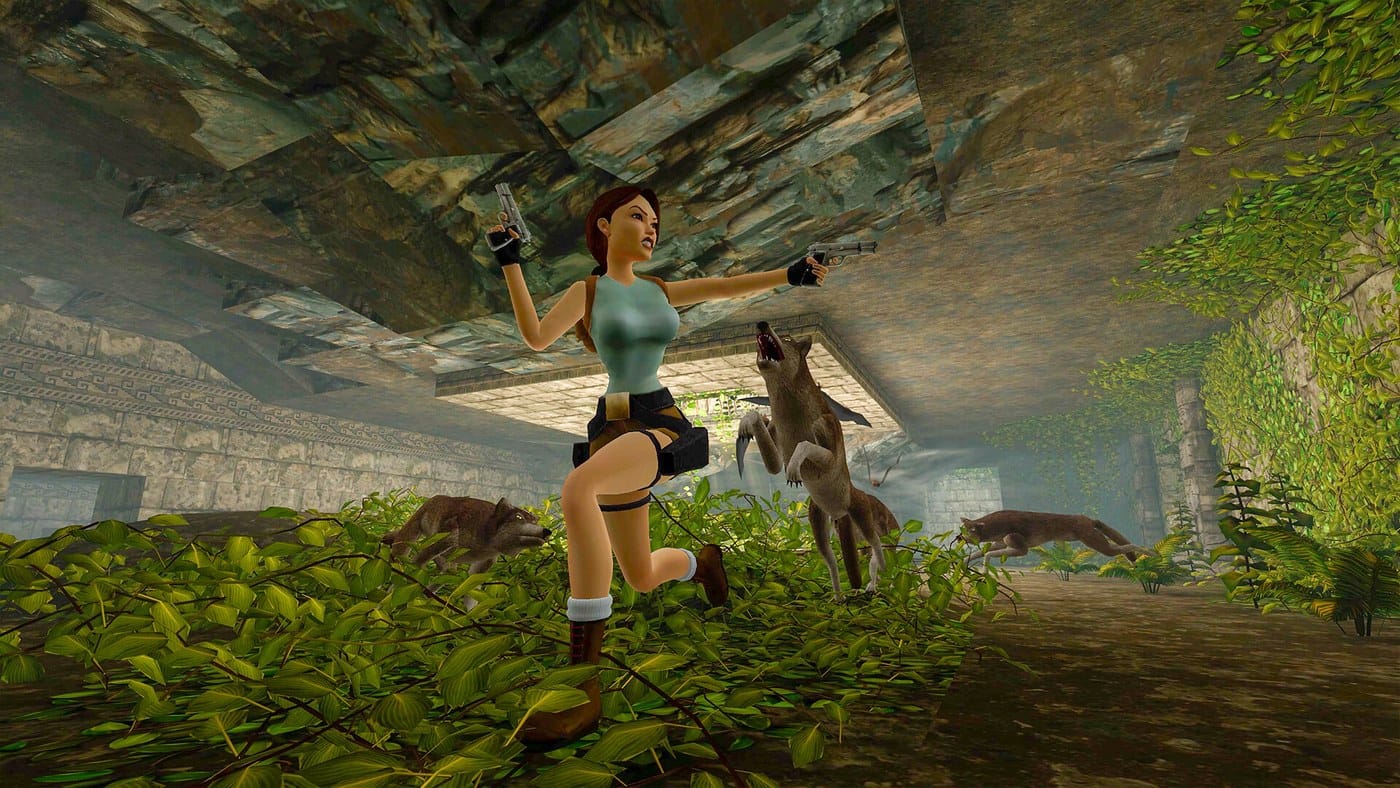
Success was immediate, and Core answered it the way the industry did then: with a sequel every year. Tomb Raider II (1997) took Lara to Venice, an offshore rig and Tibet in search of the Dagger of Xian; Tomb Raider III (1998) sent her across India, Nevada, the South Pacific, London and Antarctica, with vehicles and branching routes. The games were larger, harder and more confident, and Lara became a cultural figure well beyond games: magazine covers, advertising campaigns, and real-life models hired to embody her at public events. The character was turning into a brand faster than the series could evolve.
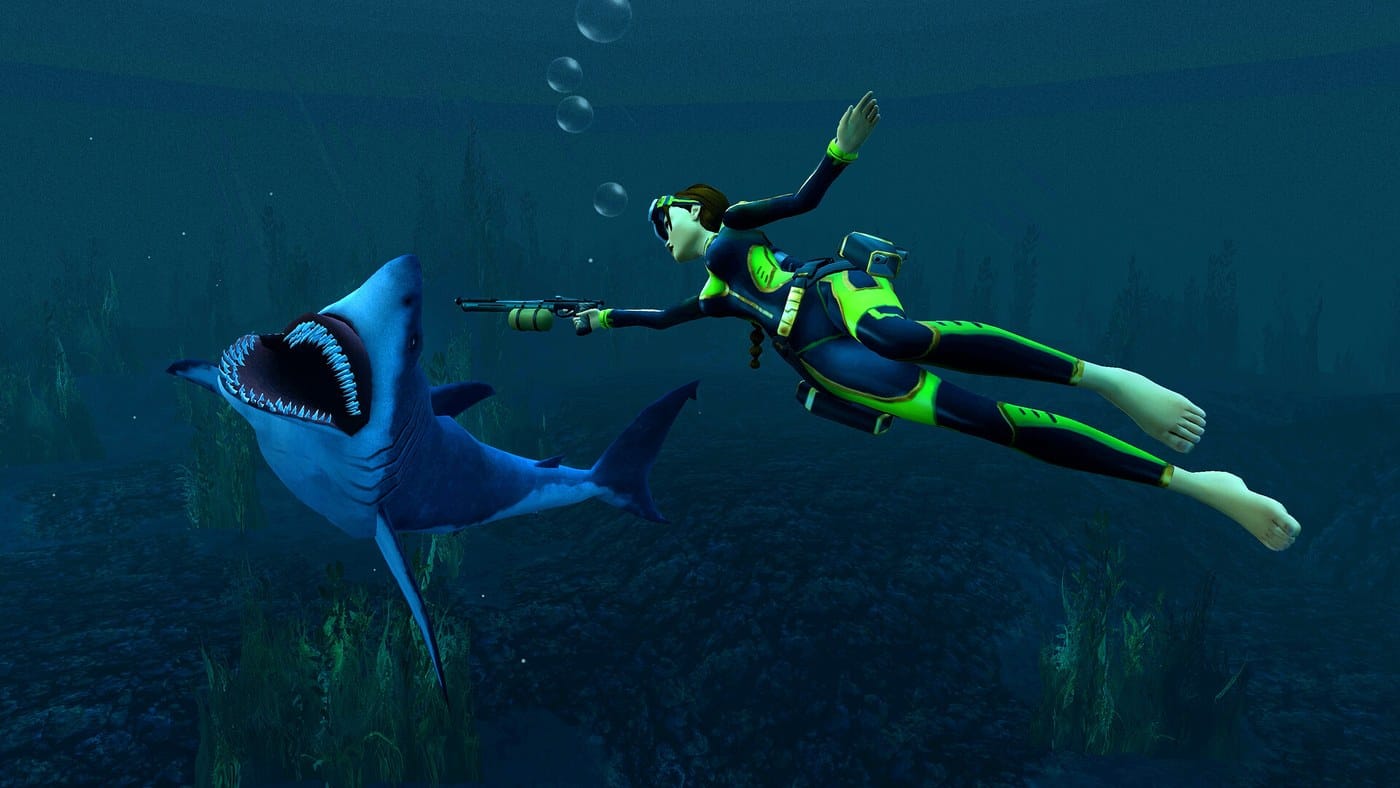
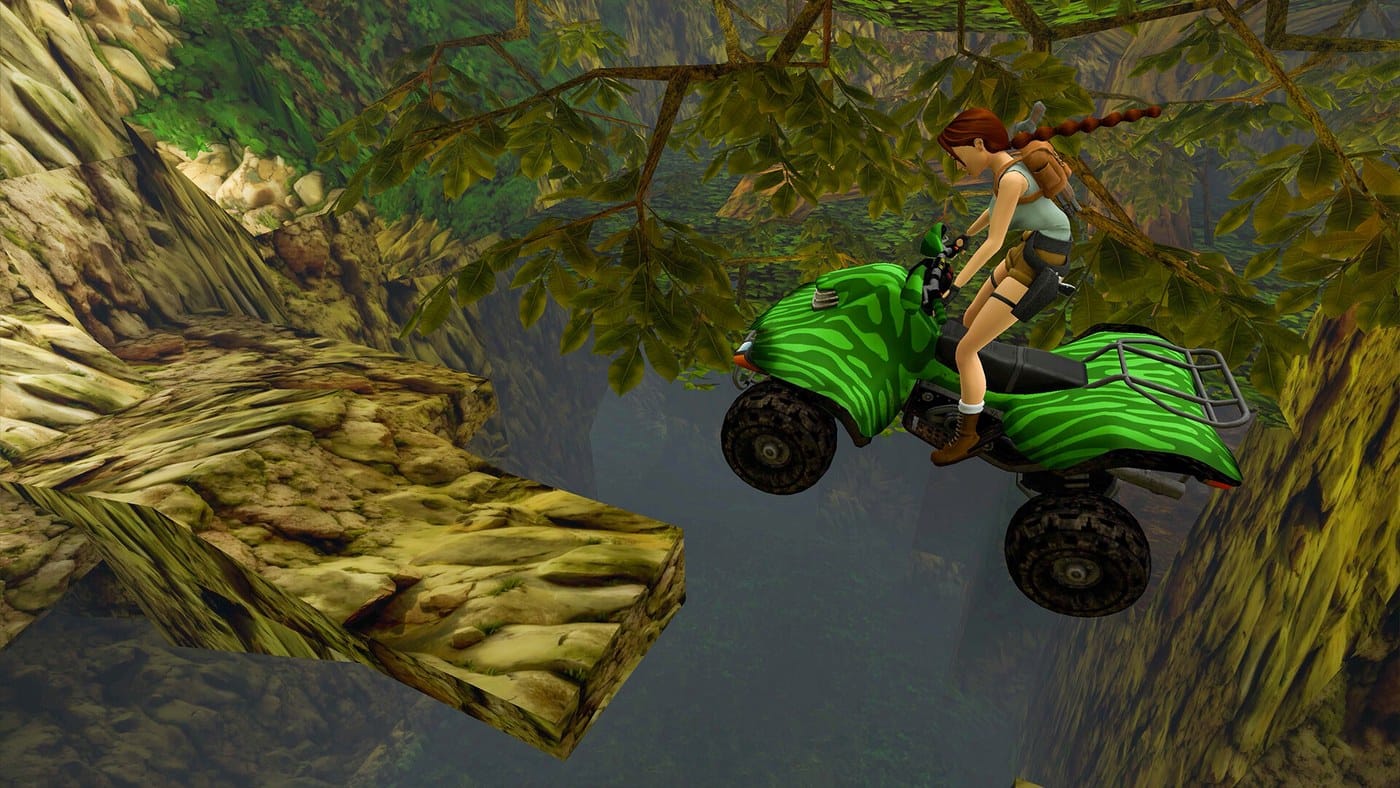
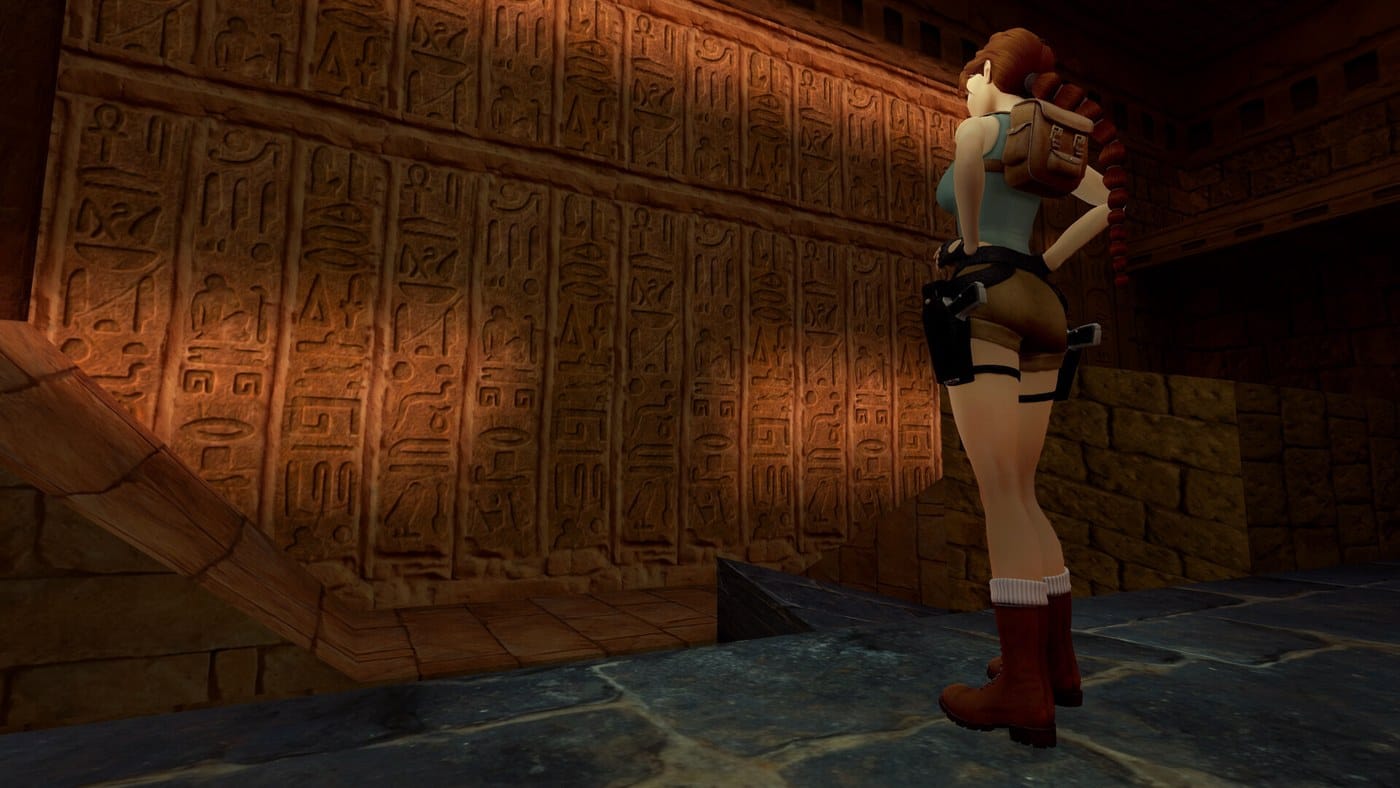
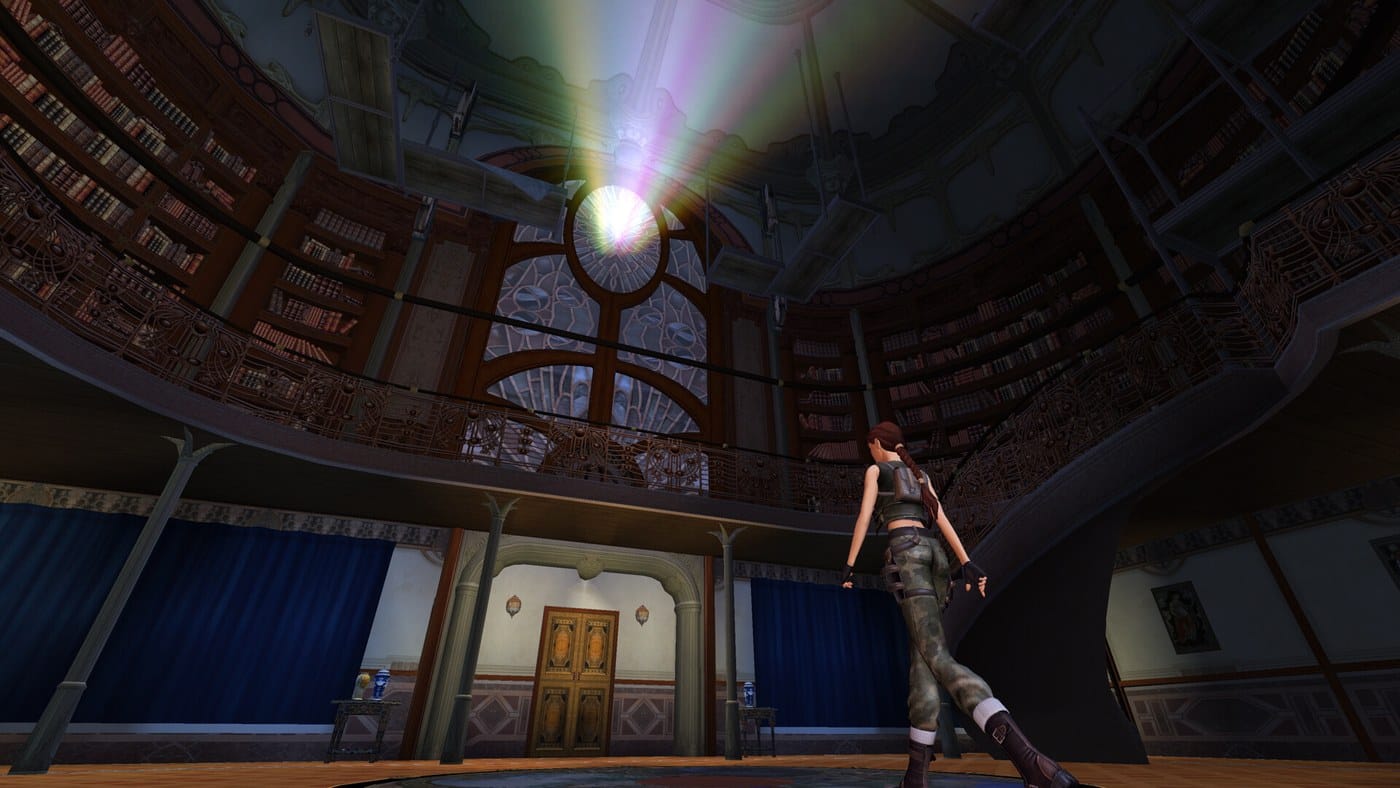
Tomb Raider: The Last Revelation (1999) returned to Egypt and was intended to end the story, burying Lara under a collapsing pyramid. Tomb Raider: Chronicles (2000) followed with episodes told as memories at her memorial service. Then came Tomb Raider: The Angel of Darkness (2003), an ambitious attempt to move Lara into a darker, urban thriller in Paris and Prague, released in a visibly unfinished state. Its reception was damaging enough that Eidos took the series away from Core Design and handed it to the American studio Crystal Dynamics. Seven years and six games had been enough to make an icon and nearly exhaust her.
2001–2003: Hollywood Finds Its Lara
At the peak of that fame, Hollywood came calling. Lara Croft: Tomb Raider (2001), directed by Simon West for Paramount, cast Angelina Jolie, and the casting was the film. Jolie played Lara as an untouchable aristocrat of action: dual pistols, bungee ballet in her own mansion, and a confidence the games had only implied. The film did not escape the curse of video game adaptations in the eyes of critics, but it became a commercial event and set the template for how studios would approach the genre for years.
 Official trailer
Lara Croft: Tomb Raider – The Cradle of Life (2003), directed by Jan de Bont, sent Jolie after Pandora's box. It arrived the same summer as The Angel of Darkness, and it was a coincidence with consequences. In the space of a few weeks both the games and the films stumbled, and Lara spent the next three years out of the spotlight.
 Official trailer
2006–2014: Crystal Dynamics Rebuilds the Legend
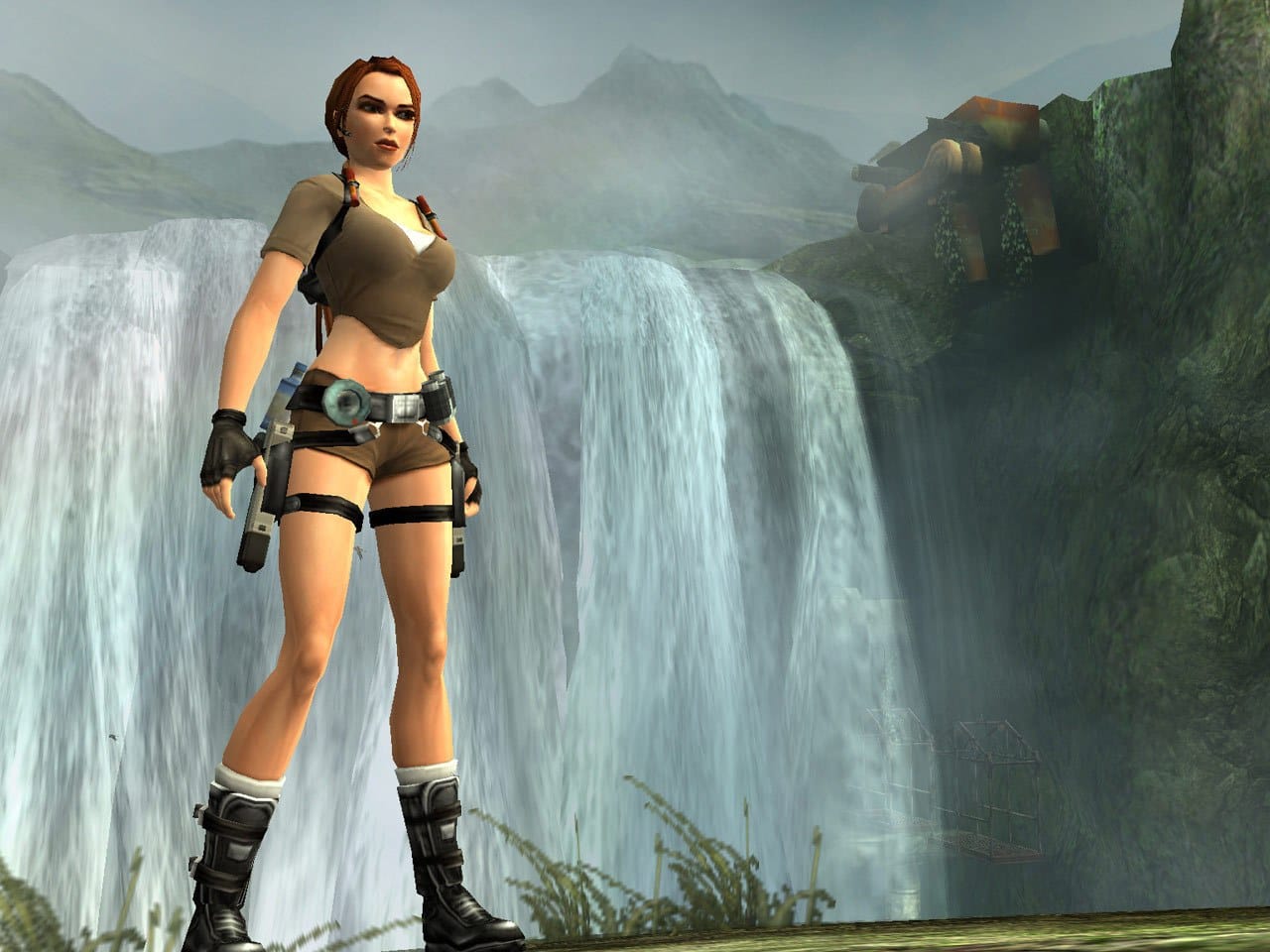
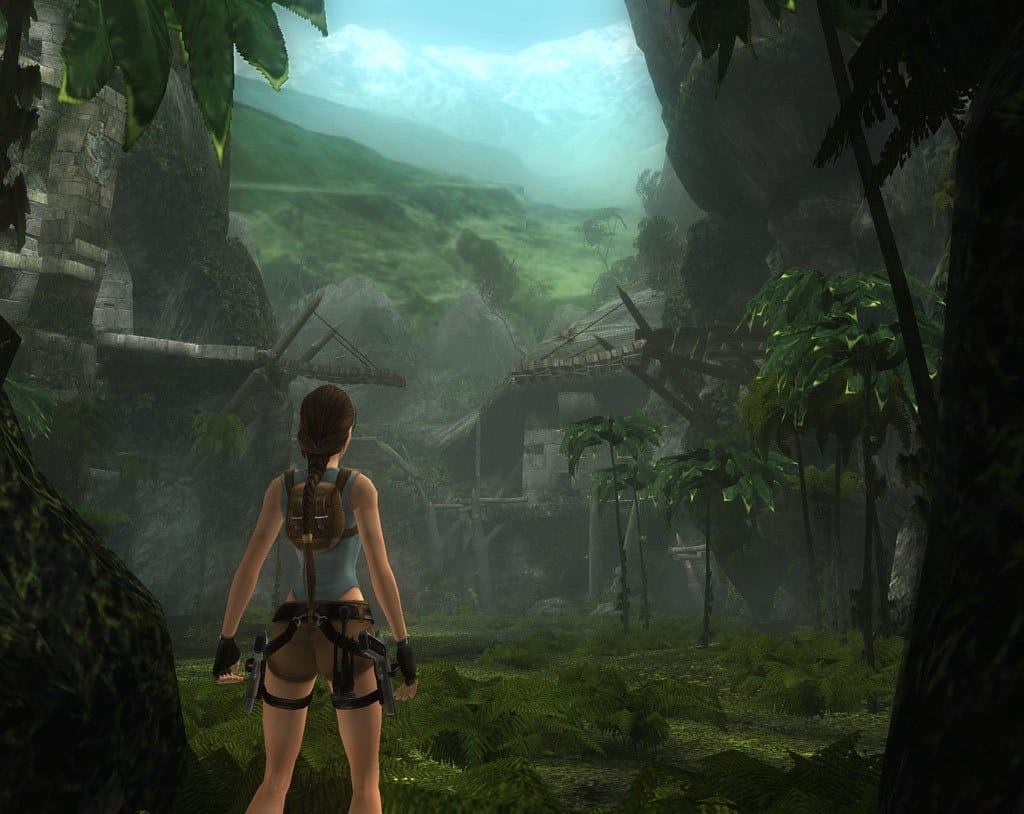
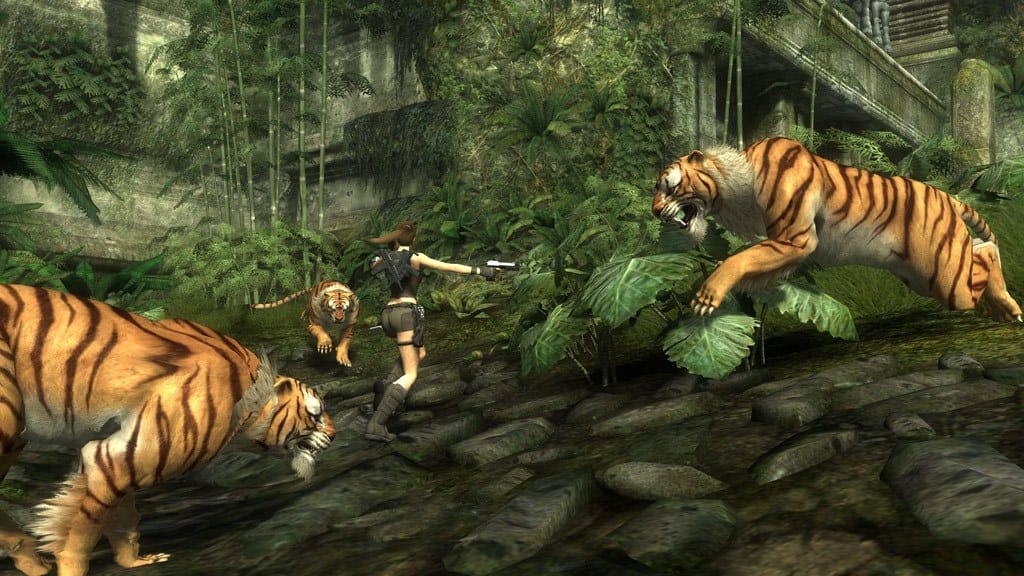
Crystal Dynamics' answer was to go back to basics with better tools. Tomb Raider: Legend (2006) gave Lara fluid, responsive movement, a grappling line and a story built around her mother's disappearance, voiced by Keeley Hawes. It made Lara feel athletic again rather than a set of tank controls. Tomb Raider: Anniversary (2007) remade the 1996 original for the series' tenth birthday, and Tomb Raider: Underworld (2008) completed the trilogy with the series' most lavish environments to date, from the Mediterranean seabed to the jungles of Southeast Asia.
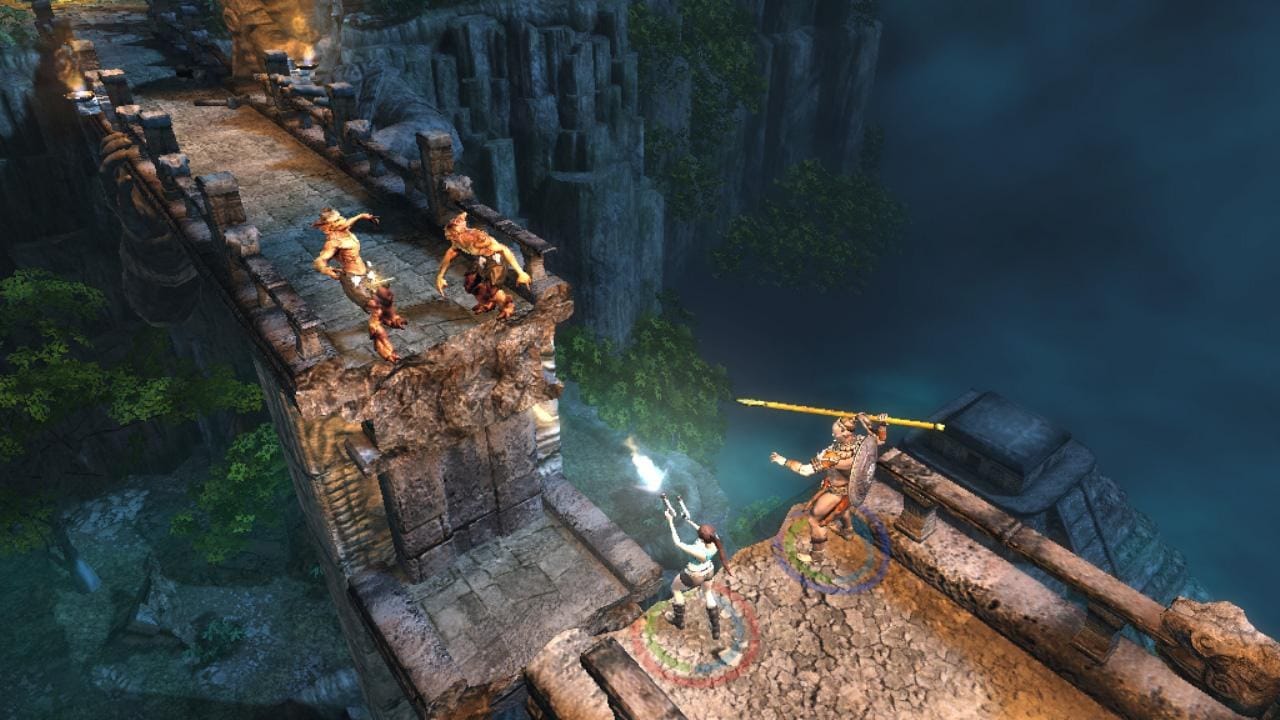
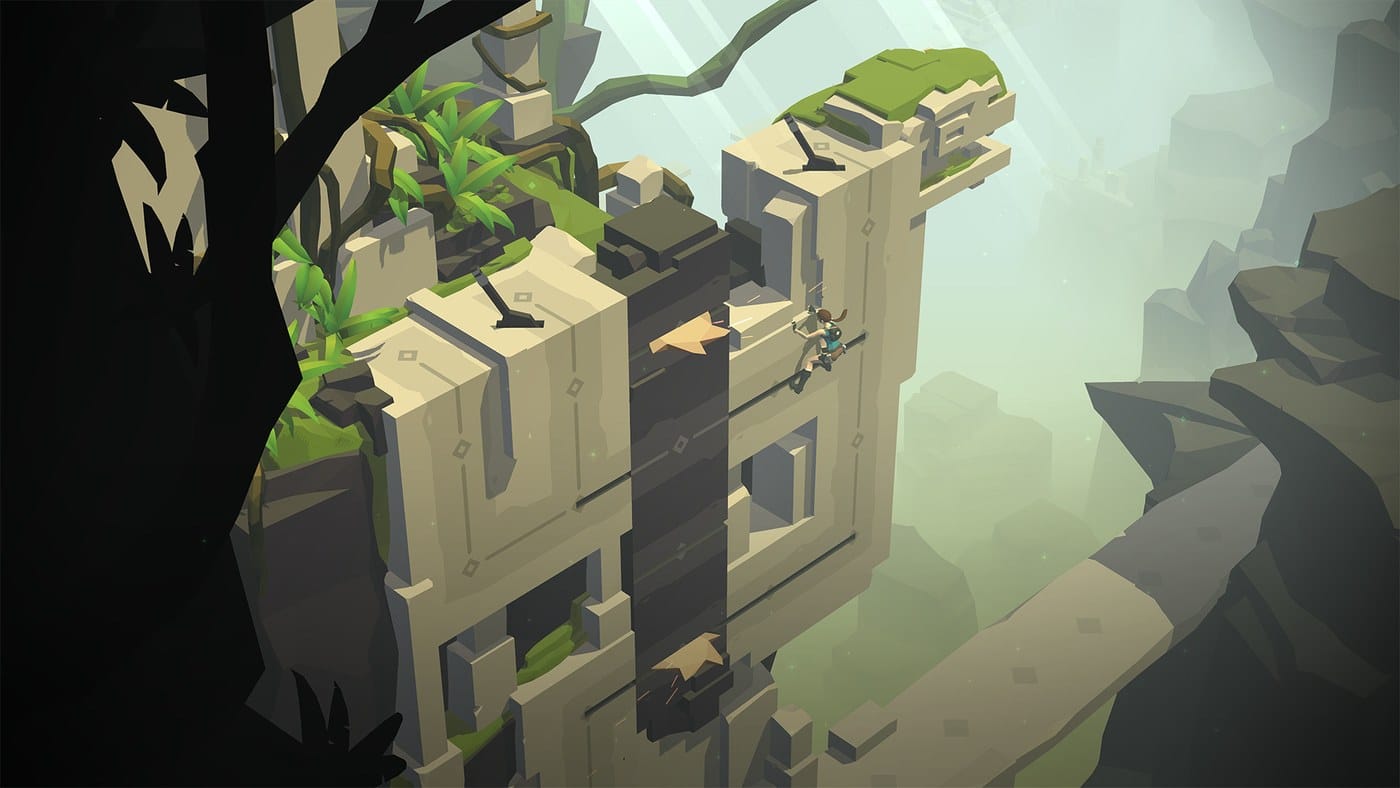
In 2009 Square Enix bought Eidos, and the series began to branch. Lara Croft and the Guardian of Light (2010) and Lara Croft and the Temple of Osiris (2014) turned her adventures into isometric, cooperative action games, and Lara Croft GO (2015), by Square Enix Montréal, reduced tomb raiding to its purest form: a turn-based puzzle board where every move is a question of space. It is arguably the most faithful distillation of what the 1996 game was about, and it has almost no combat at all.
2013–2018: The Survivor
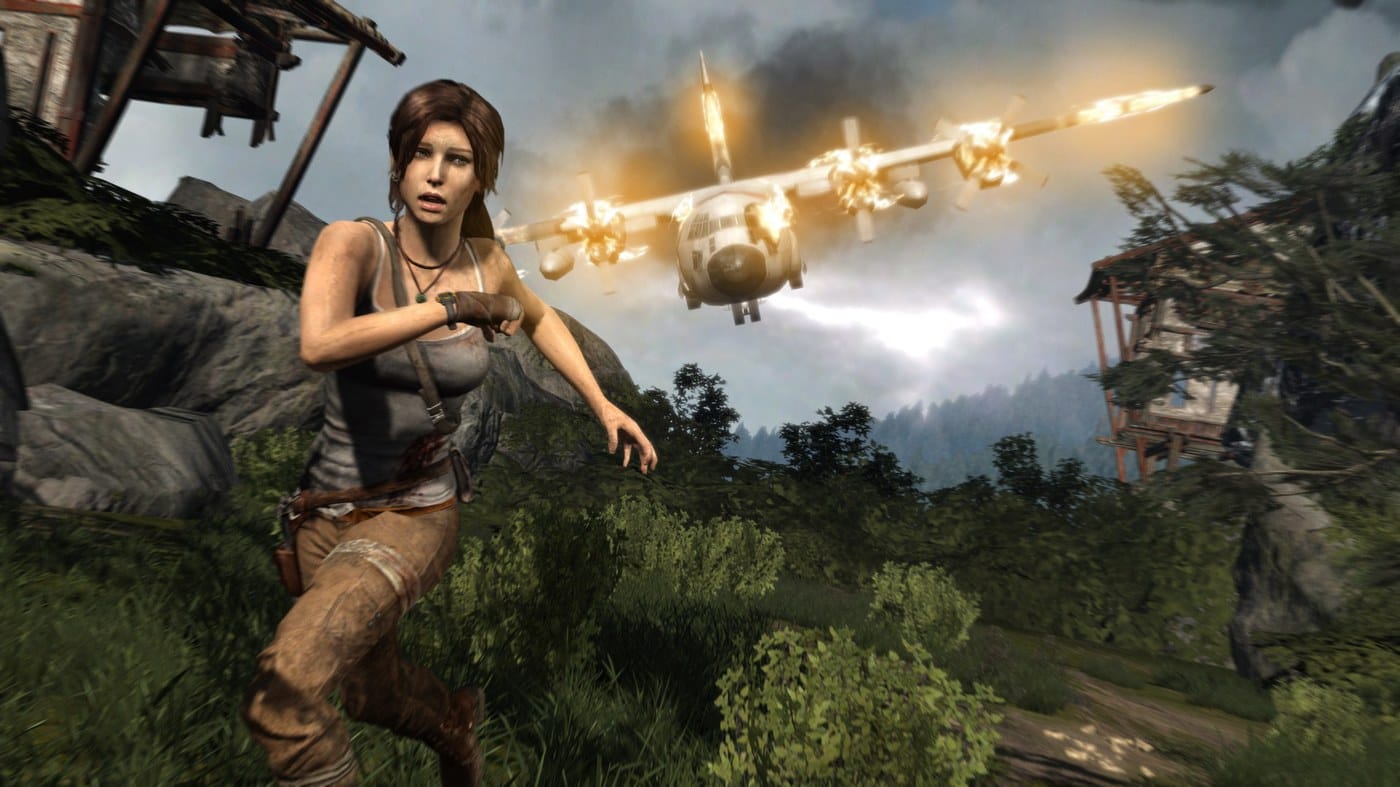
The most radical reinvention came in 2013. Crystal Dynamics rebooted the series with Tomb Raider, an origin story in which a young Lara, now voiced and performance-captured by Camilla Luddington, is shipwrecked on the island of Yamatai and forced to survive. The pistols and the swagger were gone; in their place were a bow, a climbing axe and a great deal of pain. The game was controversial for its violence against its heroine and for leaning on cinematic spectacle, but it worked. It became the best-selling entry in the series' history, with over 11 million copies sold.
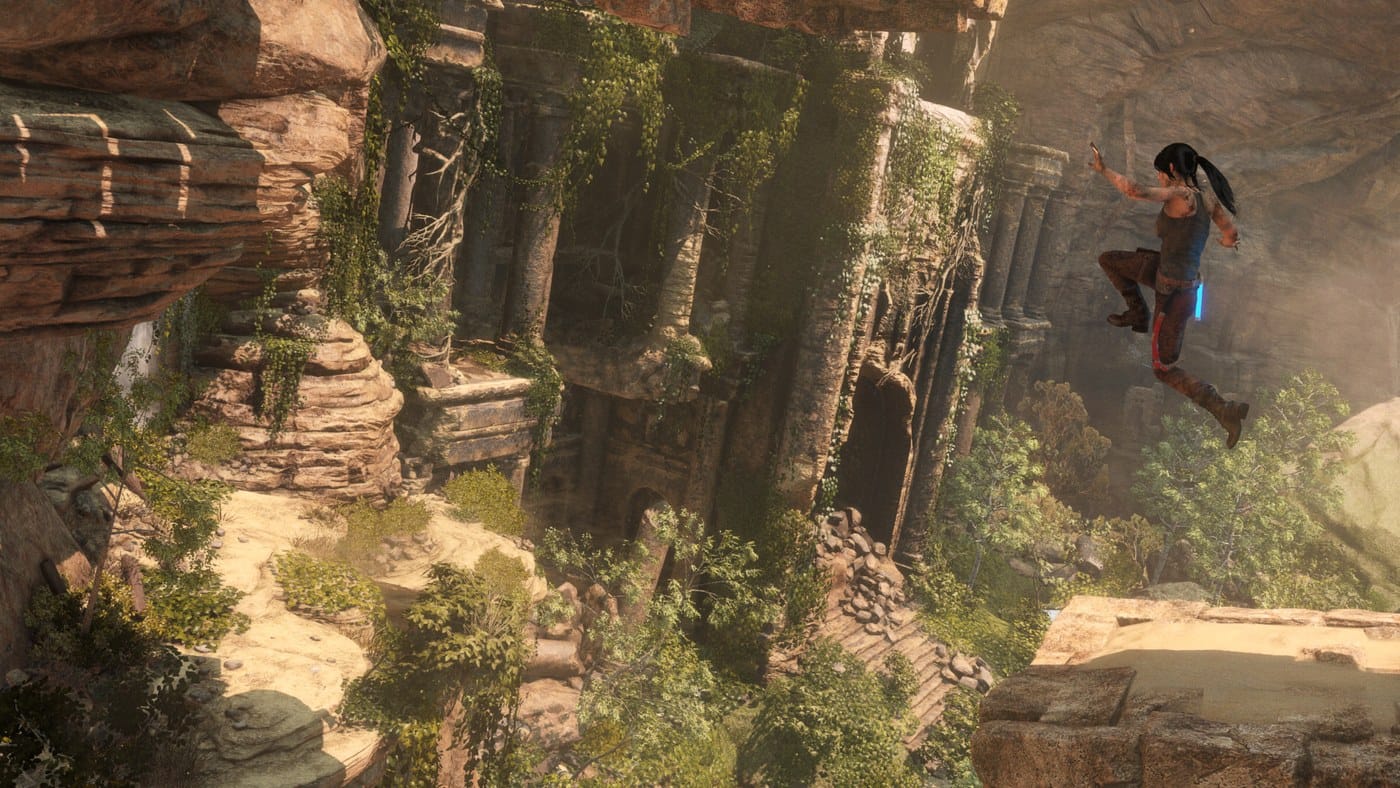
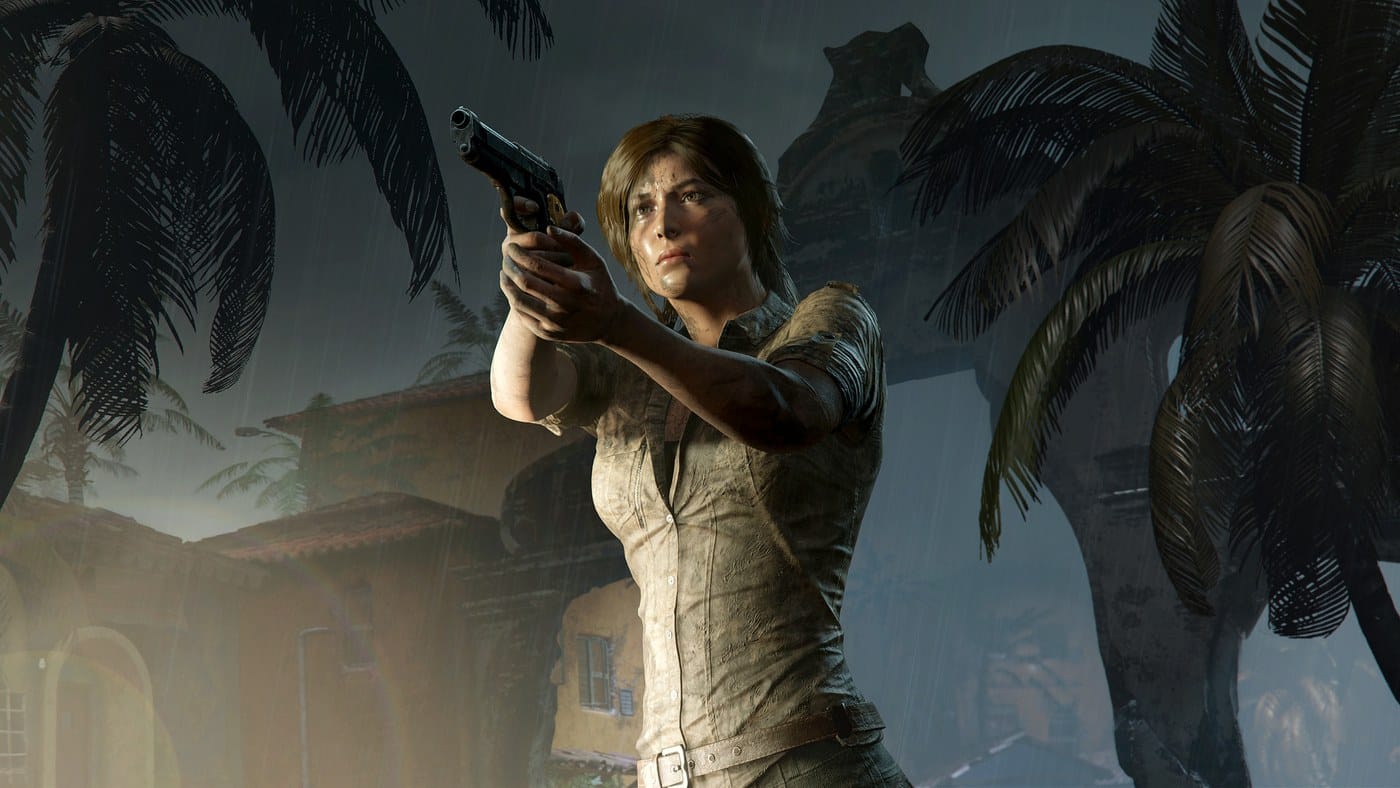
Rise of the Tomb Raider (2015) took her to Siberia in search of a lost city and immortality, and Shadow of the Tomb Raider (2018), developed by Eidos-Montréal, closed the trilogy in Mexico and Peru with the series' largest hub and its most explicit reckoning with Lara's own destructiveness. The Survivor trilogy gave Lara an inner life the originals never attempted. The price was distance from the solitary, puzzle-driven exploration that defined her, and a tone so grim that the series' sense of adventure sometimes disappeared beneath it.
The 2013 reboot also inspired the third film. Tomb Raider (2018), directed by Roar Uthaug for Warner Bros. and MGM, cast Alicia Vikander as a young Lara searching for her missing father on Yamatai. It was closer to the games than Jolie's films had ever been, and Vikander, an Oscar winner, brought a convincingly physical, vulnerable heroine. A planned sequel was never made.
 Official trailer
2024–2025: Lara Animated
The next screen version was animated. Tomb Raider: The Legend of Lara Croft, created for Netflix by showrunner Tasha Huo and animated by Powerhouse Animation, premiered on October 10, 2024, with Hayley Atwell voicing Lara. Set after Shadow of the Tomb Raider, it was designed as a bridge between the survivor of the reboot trilogy and the confident adventurer of the originals, with old allies such as Jonah and Zip at her side. A second and final season, which followed Lara and her friend Sam hunting stolen Orisha masks across the globe, arrived on December 11, 2025.
 Official trailer
Across sixteen episodes the series did something the films had rarely attempted: it treated Lara's history across the games as a single continuity. In that sense it was a quiet rehearsal for what the franchise is now trying to do on a much larger scale.
 Official trailer
2026 and Beyond: Back to the Beginning
Since 2022 the series has belonged to the Embracer Group, with Amazon Game Studios as its publisher. Its recent direction has been a return to the past. Aspyr's Tomb Raider I–III Remastered (2024) and Tomb Raider IV–VI Remastered (2025) brought the Core Design games back with updated graphics, the option to switch to the originals at the press of a button, and even The Angel of Darkness given a second chance. They showed how strongly players still respond to the classic Lara, and the new games follow their lead.
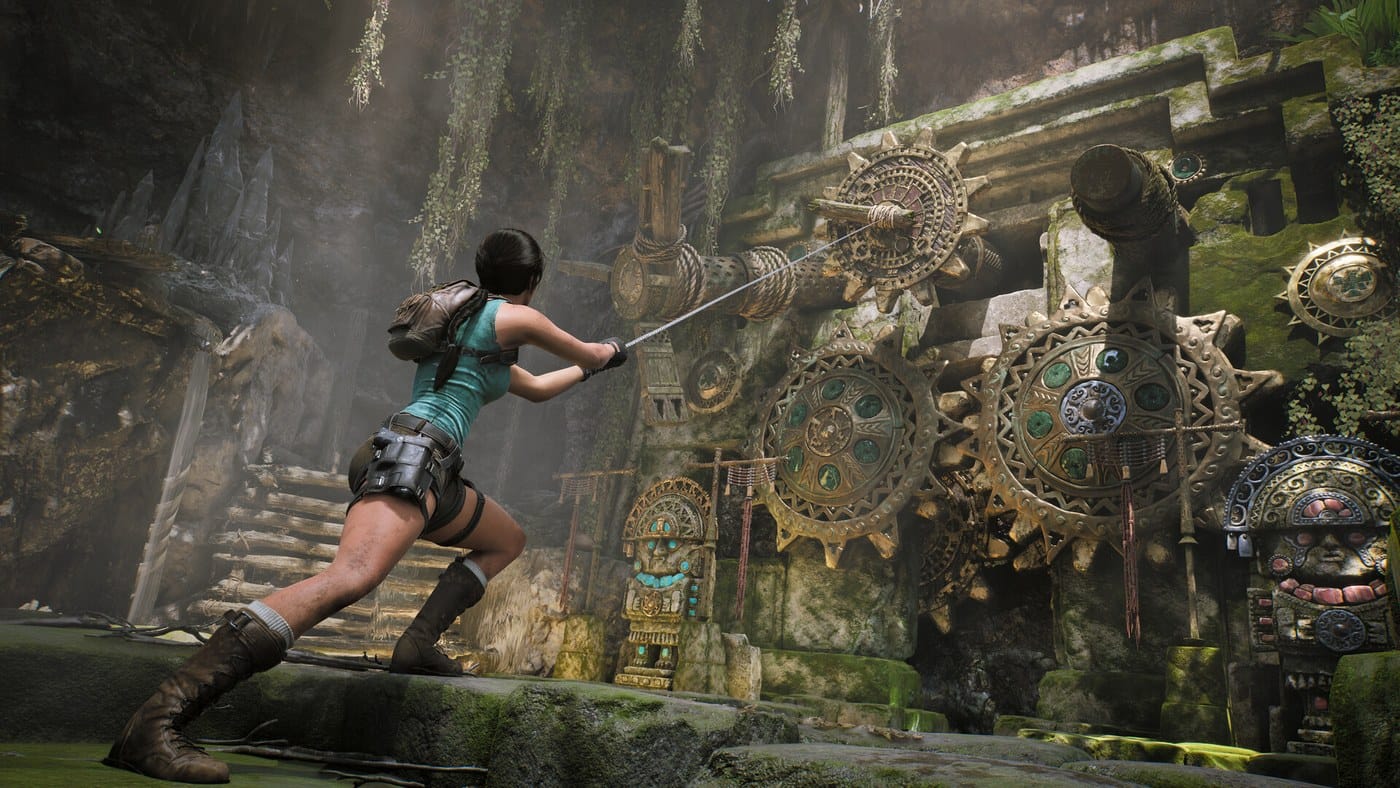
Tomb Raider: Legacy of Atlantis, from Crystal Dynamics and Flying Wild Hog, rebuilds the 1996 game in Unreal Engine 5 for release on February 12, 2027, with the twin pistols, teal top and backpack restored. Tomb Raider: Catalyst, a new adventure set in Northern India, is due in 2027 and places this Lara years after Underworld, treating the Survivor trilogy as her origin. Both feature a new voice for Lara, Alix Wilton Regan. And on television, Prime Video is making a live-action series created by Phoebe Waller-Bridge and directed by Jonathan Van Tulleken, with Sophie Turner as Lara, alongside Sigourney Weaver and Jason Isaacs. Filming began this year; there is no trailer or release date yet.
What Survives
Line the versions up and the differences are stark: the polygon pin-up of 1996, Jolie's untouchable aristocrat, the bloodied survivor of 2013, Atwell's animated bridge, and now a remake built for nostalgia and a television version with a writer famous for complicated women. The outfits, the voices, the bodies, the tone and the backstory have all changed. What has not changed is the shape of the experience: a lone figure in a vast, silent space, reading the walls for a way through.
That is why Lara Croft has outlived so many of her contemporaries. She was never just a character; she was a way of looking at a room. Every successful version of her has protected that curiosity, and every stumble has buried it under something else, whether trauma, spectacle or marketing. Thirty years on, the most hopeful sign for her future is that the people in charge seem to have noticed. The next chapter begins exactly where the first one did: in a cave in Peru, with something ancient waiting in the dark.