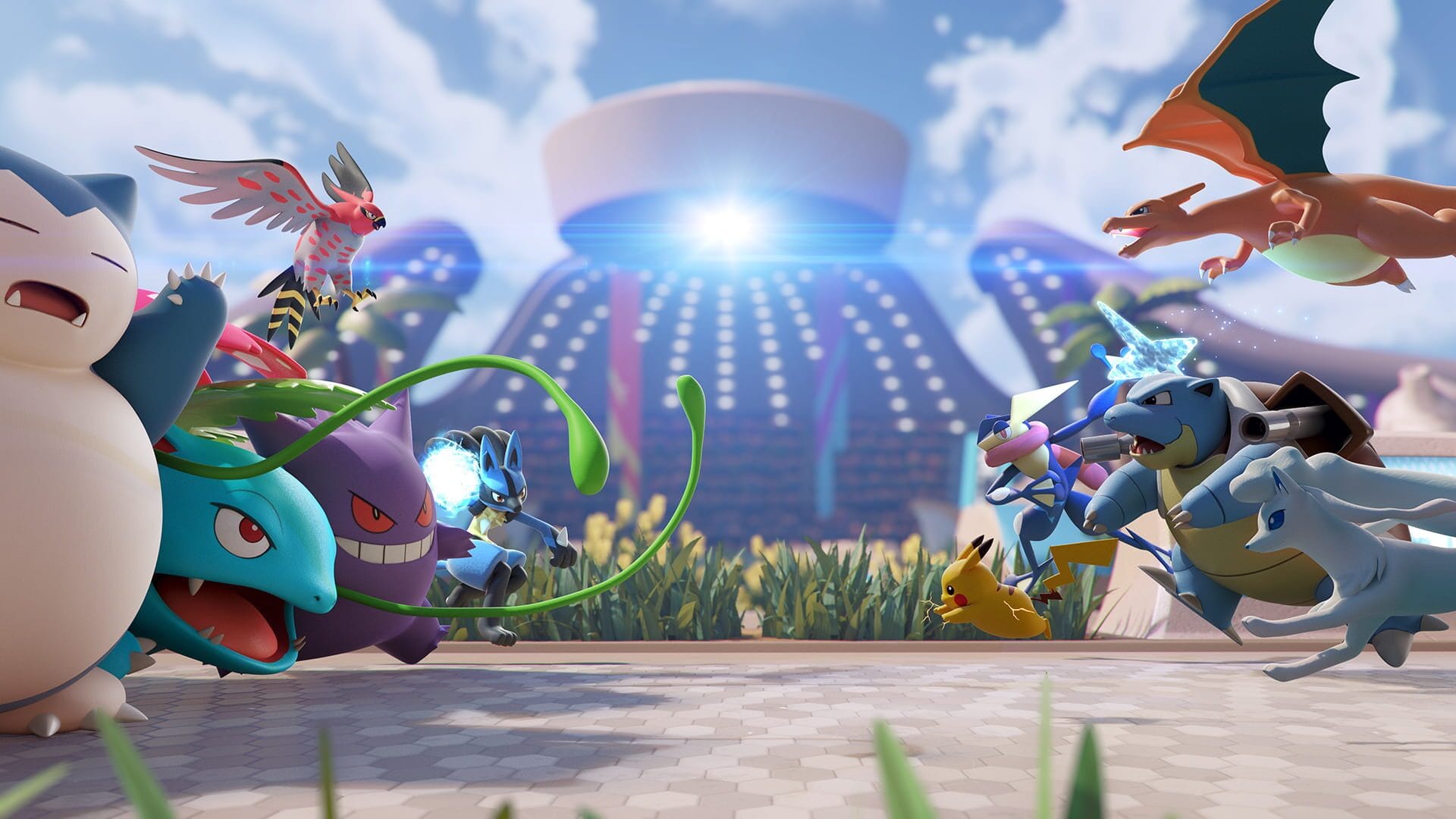
Pokémon UNITE (2021) is closing. The official end-of-service notice, published by The Pokémon Company on October 27, 2026, sets the final moment at Tuesday, March 23, 2027, at 00:00 UTC — applicable to both the Nintendo Switch version and all mobile device versions simultaneously. After that timestamp, players will no longer be able to log in or participate in a single battle. The notice offers no explanation. It gives a date, a schedule of wind-down events, and gratitude. The silence where a reason should be is the most honest thing the game has communicated in some time.
 Official trailer
The commercial shutdown was immediate. Sales of Aeos Gems — the game's premium currency — were suspended at 05:00 UTC on the day of the announcement. New UNITE Club membership purchases and automatic membership renewals stopped at the same moment. Existing gem stockpiles remain spendable until March. Existing memberships run out their current cycle. Refunds, notably, are not mentioned. That sequence is deliberate: a publisher that plans to close a live-service game has a fiduciary reason to stop taking money for goods with a shrinking shelf life, and doing it on announcement day rather than phasing it out slowly signals that the decision was final well before it was public.
The game was developed by TiMi Studio Group, the Shenzhen-based Tencent subsidiary responsible for Call of Duty: Mobile and Honor of Kings, in partnership with The Pokémon Company. It launched on Nintendo Switch on July 21, 2021, and reached Android and iOS in 73 countries on September 22, 2021 — and by July 2024, the game had been downloaded over 200 million times across all platforms. Those numbers framed the project as a success story at its peak: a MOBA accessible enough to pull in the Pokémon audience, backed by one of the most recognisable IP catalogues in entertainment, built by a studio that already understood how to retain mobile players at scale.
What the download count obscures is the trajectory of who stayed. Player count data suggests the game reached a peak of approximately 9.6 million monthly active users in mid-2025, but by the time of this announcement the figure had fallen to roughly 36.9 percent of that peak — a meaningful decline compressed into a relatively short window. The bleeding had been visible for long enough that industry observers were already publishing "is it dying?" analyses before the shutdown was confirmed. The mechanics of that erosion matter: UNITE sits in a competitive category — the mobile MOBA — where Mobile Legends: Bang Bang and Honor of Kings (TiMi's own flagship) hold established communities, where retention requires constant content velocity, and where the free-to-play currency economy has to feel generous enough to keep casual players from bouncing. UNITE faced criticism on all three fronts at various points in its lifespan, and the compounding effect of each unresolved friction is precisely what shutdown timelines look like in retrospect.
There is a competitive coda. The Pokémon UNITE Aeos Crown 2027 Tokyo tournament will still be held as previously announced, with qualifier rounds beginning December 5, 2026. The finals are scheduled for March 20 and 21 in Tokyo — two days before the servers close. That means the game will crown one final world champion before switching off. It is a surprisingly clean narrative arc for a title that has otherwise received an unceremonious exit: no last major content patch, no retrospective season, no developer blog post offering any account of what went wrong or right. A champion will be crowned. The lights will go off forty-eight hours later.
The announcement does include one concession to players who invested years of time rather than just money. A "library" feature, arriving via a November 12 update, will allow players who complete a required data download before service ends to view certain records and in-game content on their device after the servers close. The catch is documented in the fine print: library data generally cannot be transferred between devices, and anyone who misses the download deadline loses the feature entirely. It is a gesture — not preservation, but a keepsake. The distinction matters in an era when the ownership model underpinning free-to-play games is increasingly scrutinised. You never owned those Holowear items. You licensed them from a server that is now being decommissioned.
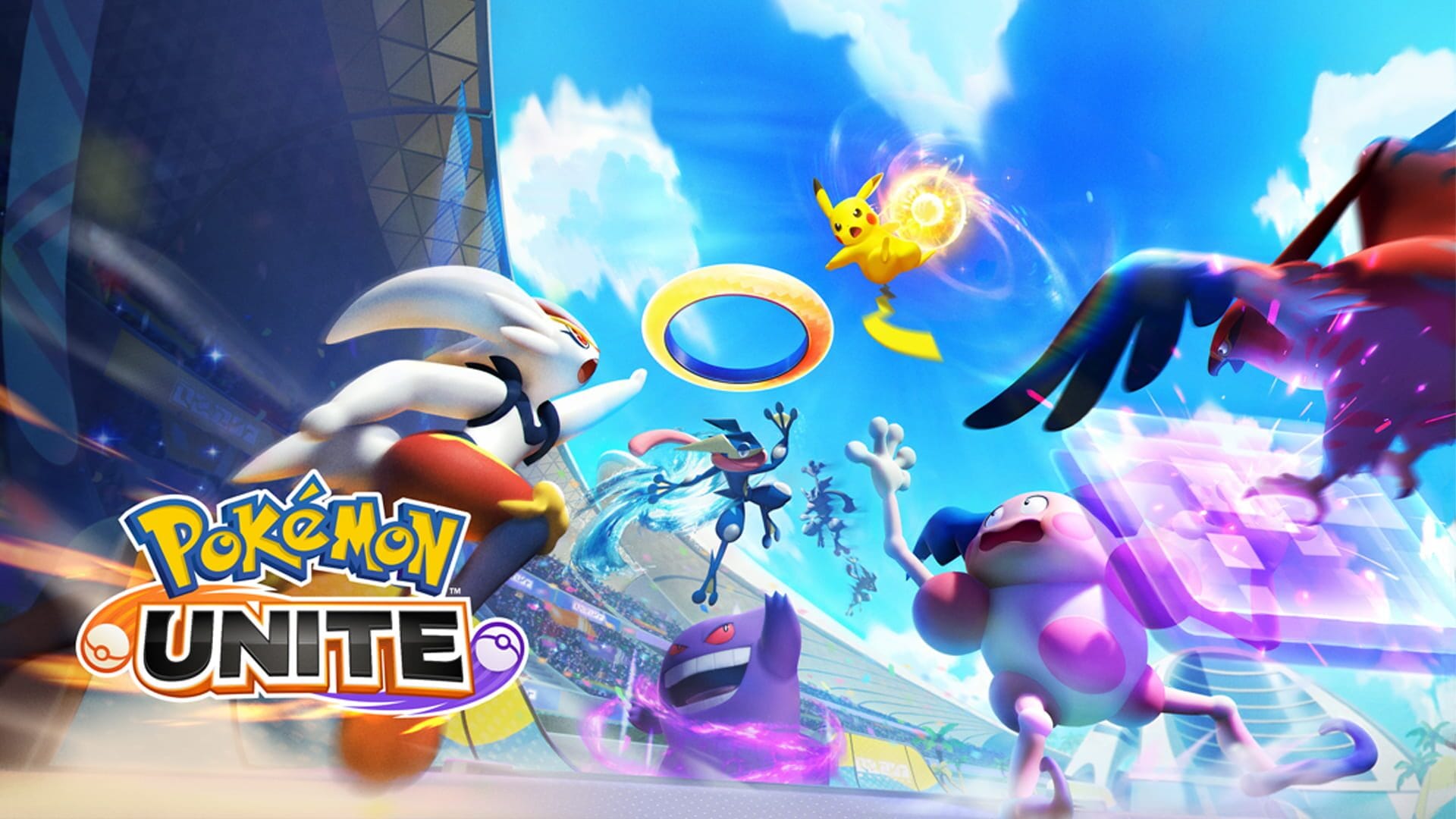
That structural reality has consequences beyond nostalgia. Pokémon UNITE's shutdown is one data point in a pattern that has accelerated across the post-pandemic gaming landscape. The conditions of 2021 — locked-down audiences, explosive growth in mobile gaming, an apparent appetite for cross-platform competitive experiences — created an optimistic environment for ambitious live-service launches. Five years on, many of those bets have been revised downward. The category has not collapsed, but it has consolidated sharply: players have fewer hours to distribute across more titles, and the games capturing the largest share of those hours have largely been the same ones that were dominant before the boom. UNITE's failure to carve out a stable second-tier position despite the Pokémon licence — arguably the most powerful brand in the category — is the sharpest indictment of how resistant those entrenched ecosystems are to disruption.
It also prompts a question about what the Pokémon Company believed it was building. The brand has historically been protective of its competitive formats: the Trading Card Game has a structured, decades-old organised play infrastructure; the main series video game tournaments operate within tightly controlled frameworks. UNITE was an experiment in licensing that framework to a Tencent subsidiary and allowing a fully free-to-play MOBA economy to run alongside it. The game's final tournament will conclude in Tokyo just days before the servers go dark, which reads less like a celebration and more like a controlled landing — the kind you execute when a project has run its course and the goal is to minimise embarrassment rather than commemorate achievement.
The free-to-play competitive landscape that UNITE entered in 2021 no longer looks the same. The franchise-era of large-publisher live-service MOBAs — a model detailed in coverage of the broader esports industry restructuring — has been under pressure across multiple titles and organisations. What survives tends to be leaner: smaller communities, lower operating costs, clearer monetisation contracts with the player base. Pokémon UNITE was never lean. It was a large-budget collaboration between two powerful entities, premised on the assumption that the IP would do work the design alone could not. It did, for a while. March 23, 2027 is when that while officially ends.
Whether the Pokémon Company revisits the MOBA format is unknown — the announcement is silent on future plans, as it is silent on nearly everything. What is clear is that 200 million downloads and a five-and-a-half-year run did not produce an ecosystem that could sustain itself. In a category where sustainability is the only metric that matters, that is the most complete answer the shutdown could offer.