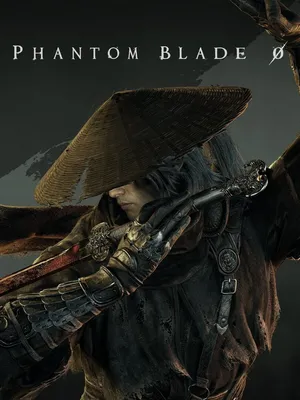
The review embargo lifted on October 26, and the numbers were unambiguous. Phantom Blade Zero (2026), the dark wuxia action RPG from Beijing-based S-GAME, opened to an 88 Metascore on PS5 and PC and a 89 Top Critic Average on OpenCritic — figures that place it among the ten highest-rated games released in 2026, ahead of everything else exclusive to Sony's platform this year. Less than twenty minutes after its October 29 unlock, Steam concurrent players surpassed 100,000; three hours later that number climbed above 430,000, and the game simultaneously topped Steam's global best-sellers list. The critical and commercial signals arrived together, which almost never happens without real substance underneath them.
 Official trailer
That substance has a history most Western players don't know. S-GAME was founded in 2011 by Qiwei Liang — who works under the pseudonym Soulframe — after his solo RPG Maker project, Rainblood: Town of Death (2010), was downloaded more than four million times. Liang had studied at Tsinghua University and earned a master's in architecture from Yale, but turned down a New York architecture firm and went back to China to build a studio. What started as four people who had met online is now roughly 140 employees distributed across Beijing (headquarters), Shanghai (motion capture and animation), Hong Kong (art), and Los Angeles (global publishing). Phantom Blade Zero was announced in 2016, shelved in 2018, revived in 2021 with financial backing from Tencent — which now holds around 25 percent of the company — and moved into full-scale Unreal Engine 5 development in 2022. Total development costs, according to Liang himself, ran between 300 million and 400 million yuan (roughly $45–60 million USD). The result is the studio's first major global release, self-published under S-GAME Publishing.
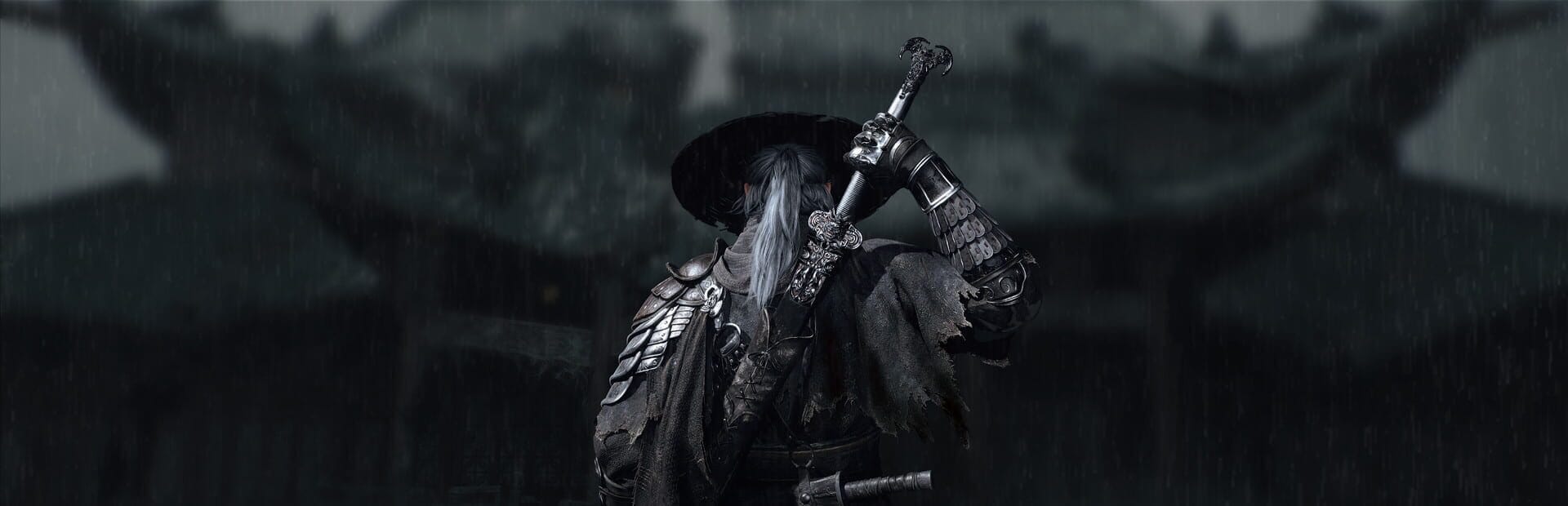
The game's creative identity sits at the intersection of wuxia mythology and what Liang's team calls "kungfupunk." Critics have called it "a beautiful and horrific game" with "everything to be both the game of the year and a gateway to wuxia for new audiences." The premise is precise and pulpy in equal measure: Soul, an elite assassin serving a shadowy organisation called The Order, is framed for the murder of its patriarch, inflicted with a fatal wound to his heart, and revived with a limited number of days to live. Sixty-six days. The ticking clock is the entire narrative engine. It is, in structure, a revenge thriller built inside the bones of a dark fantasy world drawn from historic Chinese towns, ink-wash cartography, and martial arts choreography developed in collaboration with action director Kenji Tanigaki and creative consultant Donnie Yen — who also portrays the character Mo Yuan through facial and motion capture.
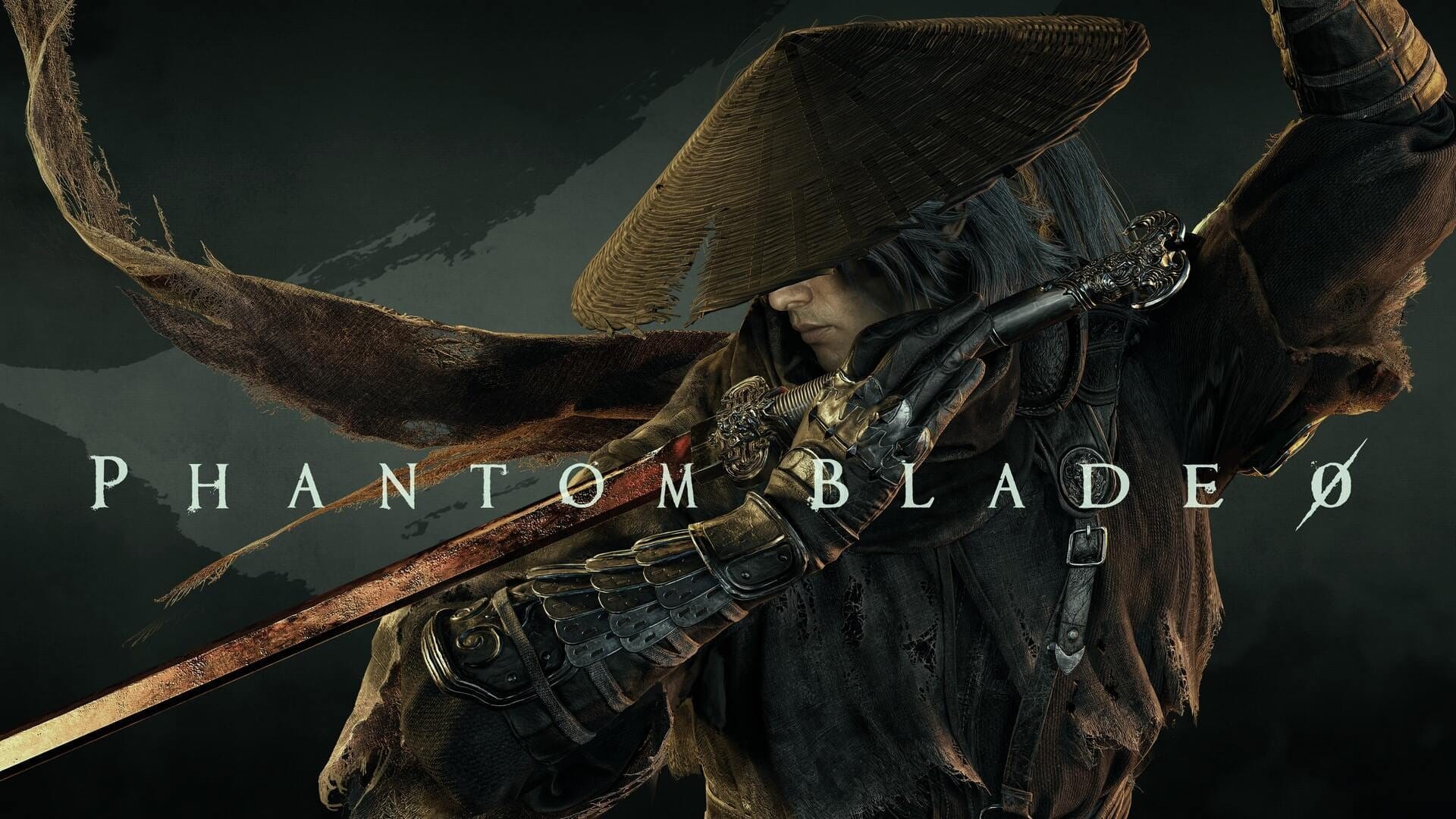
What critics overwhelmingly refused to stop writing about is the combat. IGN awarded it a 9/10, calling it "an unbelievably smooth action game filled with memorable boss fights, compelling combat, and limitless swagger." DualShockers put the system "up there with the all-time greats, such as Devil May Cry and Ninja Gaiden." The Gamer called the boss fights "some of the most memorable of any game I've played, occasionally rivaling my favorite game of all time, Elden Ring." The comparisons that recur — Sekiro: Shadows Die Twice, Devil May Cry 5, Ninja Gaiden — share a specific quality: they are all games defined by physical precision and aesthetic aggression rather than attrition. Checkpoint Gaming described Phantom Blade Zero as "something that feels like Sekiro: Shadows Die Twice mixed with Devil May Cry, and the kind of outrageous choreography you'd expect from a martial arts movie." The system offers 30 primary weapons and 25 secondary weapons, each with its own distinct animation set and finishing moves. DualShockers' campaign playthrough came in at around 40 hours without the combat ever feeling stale.
The critical consensus on what doesn't work is equally consistent: the story. Several reviewers raised concerns about uneven storytelling and performance issues including stuttering and frame-rate drops. IGN called the narrative safe. GameSpot's read was that the combat carries the game past a plot that does little work. Eurogamer, giving it a 3/5, noted that "balance and quality issues ultimately dim its shine." These are not minority positions. They form a coherent second strand in the review consensus — the game earns its score through the quality of its action, not through an ambition to tell a cohesive story. That split, however, did not stop 96 percent of OpenCritic critics from recommending it, a figure that matters more than average score in any practical purchasing decision.
The commercial picture was already strong before the embargo lifted. Pre-launch digital sales tracked by Alinea Analytics crossed $43 million across Steam and PS5 combined, with Steam accounting for 73.8 percent of estimated copies sold. The game also picked up more than 80,000 additional sales in the days immediately following the review drop — a direct signal that critical reception converted undecided buyers. Over 50 percent of Steam wishlists came from outside China, which means S-GAME built genuine international appetite before a single review was published.
The historical context here matters and should not be overstated in either direction. Black Myth: Wukong (2024), developed by Game Science — another Chinese studio — opened to an 82 Metascore on PC and was widely framed as "the country's first big AAA-caliber foray into the global market." That framing was accurate for 2024. Phantom Blade Zero scores six points higher on the same aggregate and does so across two platforms simultaneously. It is not a fluke or a sequel riding goodwill. It is a different studio, a different genre emphasis, and a higher ceiling. Taken together, the two games constitute a pattern rather than a coincidence. Chinese developers with sufficient capital, creative autonomy, and a long development runway are now producing games that compete directly with the best output from Japanese and Western studios — not in the margins of the market, but at the top of the annual critical charts.
The comparison to Japanese action games is not incidental. The genres Phantom Blade Zero draws from — stylish action, demanding boss design, precise parrying systems — were pioneered and dominated by Japanese developers for decades. Devil May Cry, Ninja Gaiden, Sekiro: these are not abstract reference points. They are the canonical benchmarks of the genre, and critics used them unsolicited, not as a marketing frame but as the most accurate shorthand available. That S-GAME's debut console release is being measured against those titles, and not found wanting, is the more significant story buried inside the Metascore. It is also consistent with Japan's own institutional recognition that gaming has achieved the status of high culture — a recognition that the global industry's centre of creative gravity is no longer fixed in one geography.
What Phantom Blade Zero's launch day actually demonstrated is that an 88 Metascore is now achievable by a self-published, independently operated Chinese studio on its first console release — a studio that fifteen years ago was one person in Beijing working alone in RPG Maker. The genre it chose, the investment it secured, the creative talent it assembled (including an action cinema legend as a motion-capture collaborator), and the four-year full-production timeline all contributed. But so did the decision to prioritise combat feel above everything else, and to build a world around that priority rather than asking combat to compensate for narrative ambition it was never designed to carry. The result ranks alongside the year's best. In a year where even legacy franchises like Call of Duty earned some of their strongest critical scores in over a decade, a debut console release from a Chinese indie-turned-AAA studio landing at 88 is the most unexpected — and most telling — number of October.