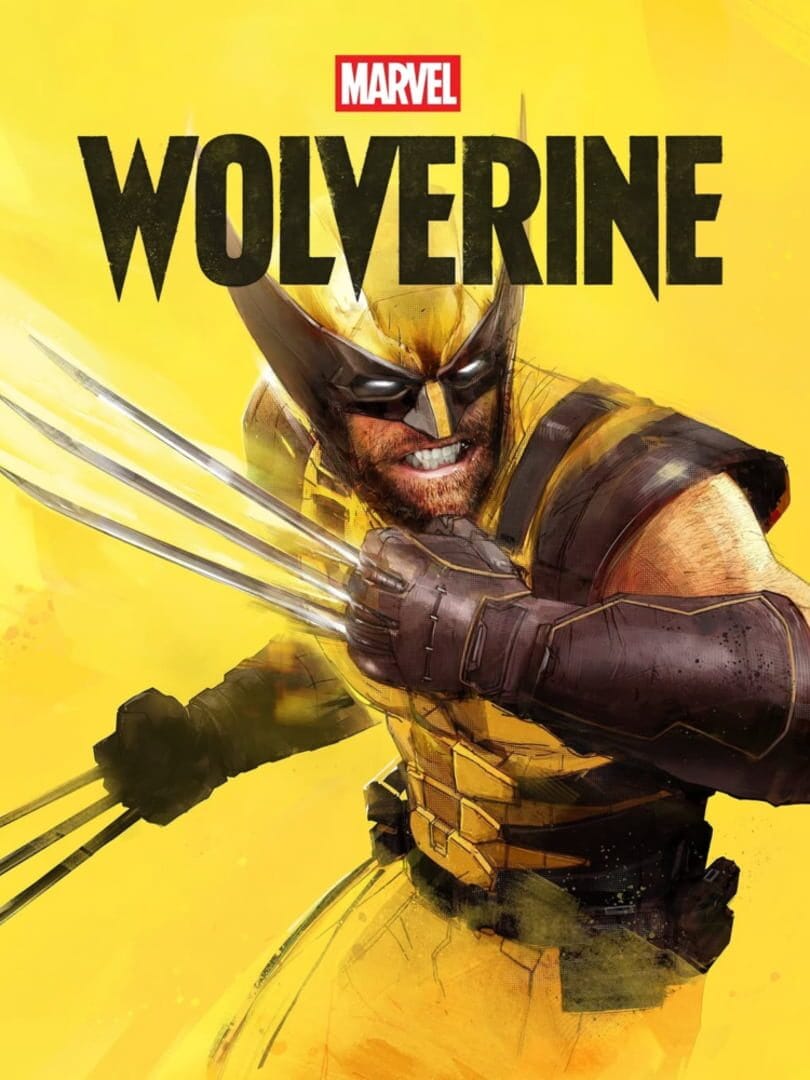
A 77 on Metacritic is, by any rational measure, a good score. It places a game comfortably above the industry average, signals a product critics found enjoyable, and would constitute a genuine success for most developers. Insomniac Games is not most developers. And Marvel's Wolverine (2025) is not most games — it is a PS5-exclusive flagship built on one of the most commercially potent characters in superhero fiction, developed by a studio whose internal benchmark was set at a level that makes 77 feel, at minimum, like a conversation worth having.
That conversation is not about failure. It is about something more structurally uncomfortable: what happens to a studio's creative ceiling when its entire output is routed through licensed IP it will never fully own, and when the expectations that IP carries are baked into every review score before a single critic boots the disc.
The Benchmark Problem
Marvel's Spider-Man (2018) landed at 87 on Metacritic. Marvel's Spider-Man: Miles Morales (2020) hit 85. Marvel's Spider-Man 2 (2023) reached 90. Those three scores form a trajectory — not just commercially, but reputationally. They established Insomniac as the studio that had cracked the superhero game formula: kinetic traversal, emotionally coherent storytelling, production values that routinely punched above the hardware's theoretical ceiling. The Spider-Man series became PlayStation's most reliable critical and commercial instrument, and Insomniac's identity became inseparable from it.
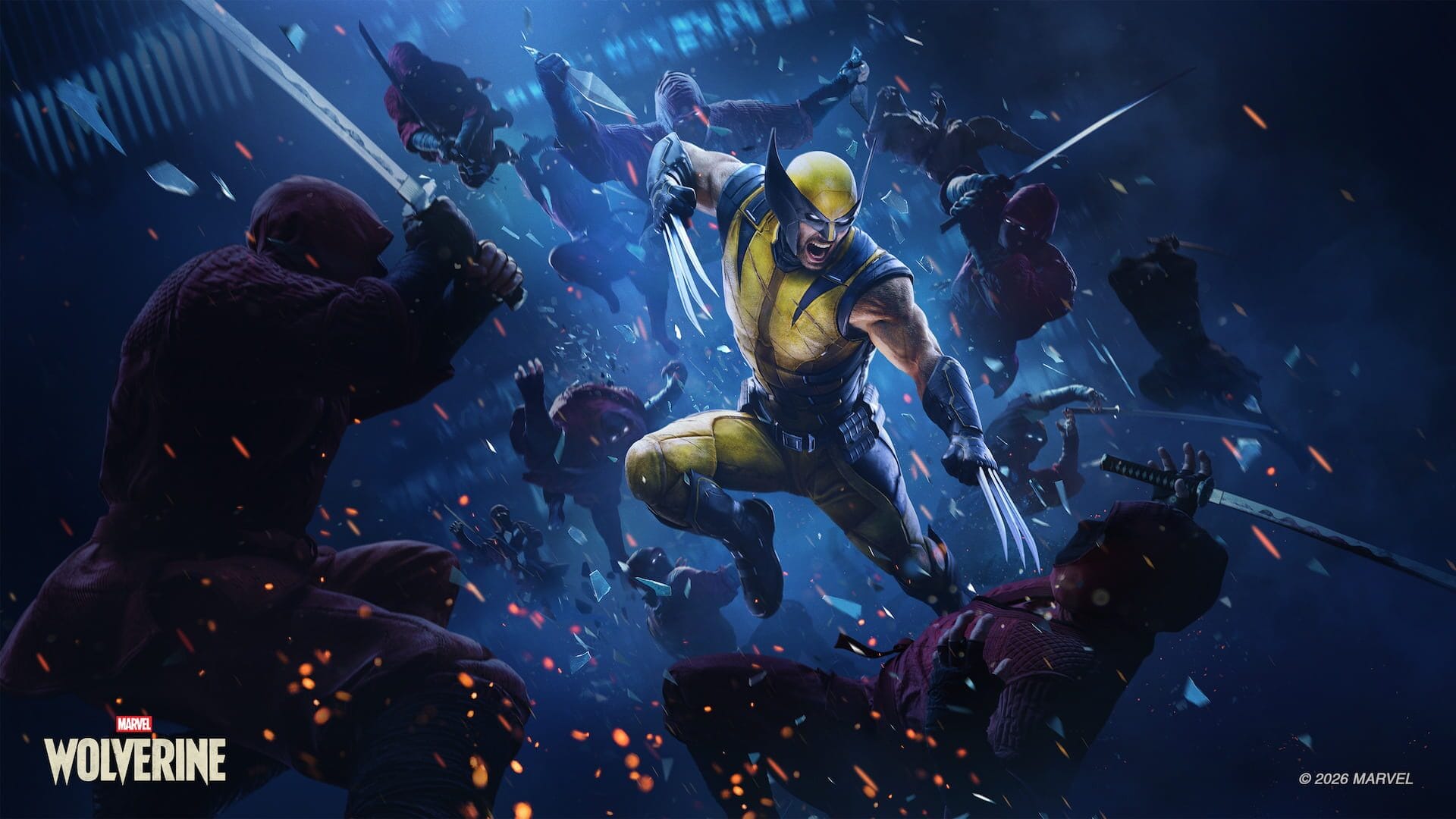
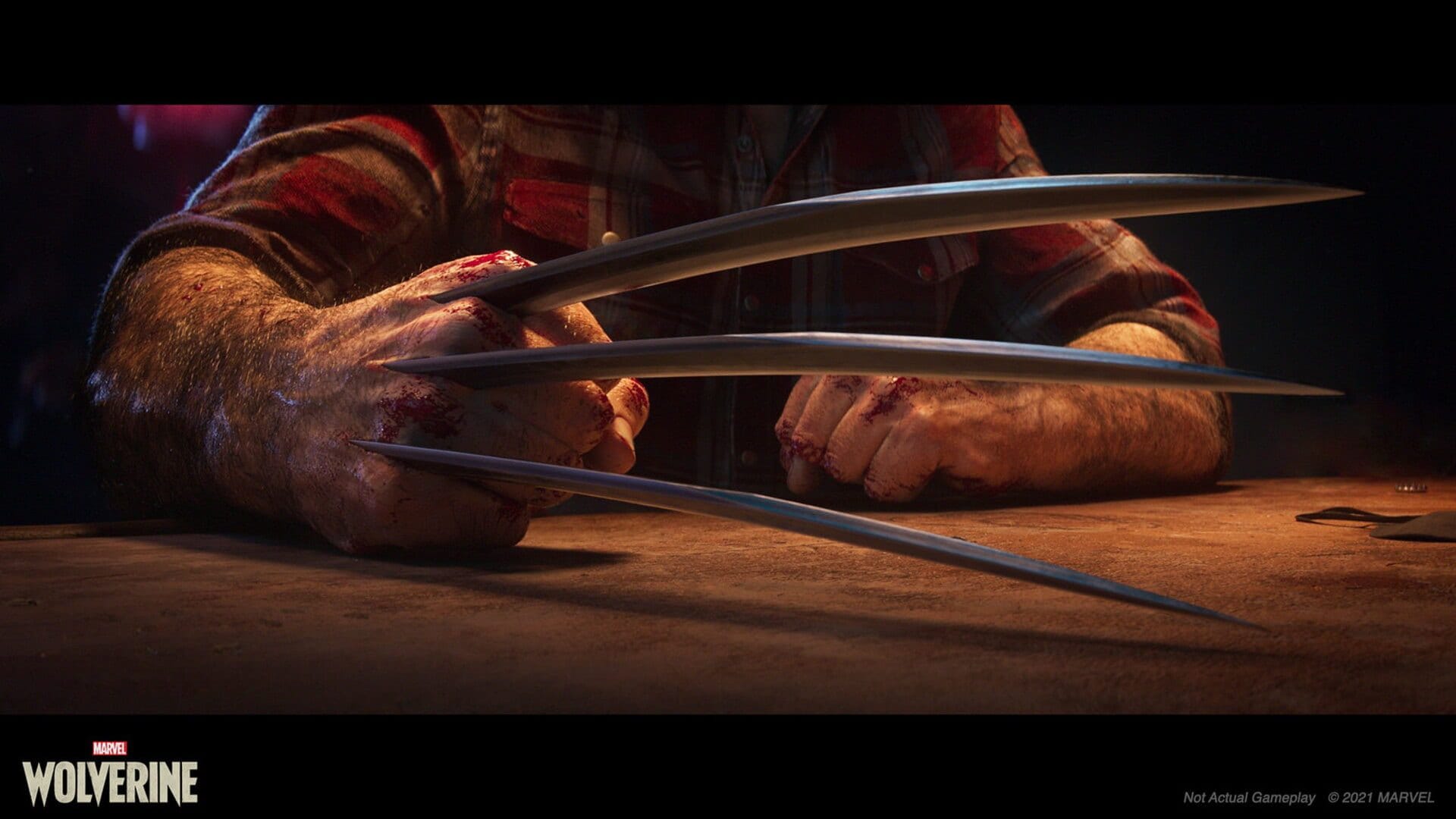
Marvel's Wolverine was supposed to be the expansion of that identity, not its repetition. The character demands a fundamentally different tonal register — brutal, confined, morally corrosive in a way Peter Parker's universe structurally resists. Insomniac's teaser, revealed in 2021, leaned hard into that darkness: a bar fight, a battered Logan, a tone closer to a prestige crime drama than a superhero power fantasy. The promise was that the studio could translate its technical excellence into a genuinely different emotional frequency.
A 77 suggests that translation was partial. Not broken, but partial.
What the Score Actually Measures
Metacritic aggregates critical consensus, and critical consensus is never purely about the game in front of the reviewer. It is always calibrated against a contextual frame — what the studio has done before, what the platform needs it to be, and what the character's cultural weight implies the game should deliver. Wolverine arrives carrying all three of those frames simultaneously, and that is an almost impossible critical position to occupy.
Reviews that land a game at 77 tend to share a common structure: genuine admiration for execution, reservations about ambition. The combat works. The world is detailed. The performance is strong. But the story doesn't fully commit to the psychological darkness the premise earns the right to explore, or the open-world design decisions feel inherited from a template that doesn't quite fit a character defined by constriction rather than liberation. These are the kinds of notes that separate an 87 from a 77, and they are almost always structural rather than technical.
Insomniac's technical execution is not in question. It rarely is. The studio's engineering and art direction have been consistently exceptional across a decade of releases. What the score interrogates is whether the creative framework the studio operates within — licensed Marvel properties, PlayStation exclusivity mandates, the implicit obligation to deliver a "premium superhero experience" — is one that allows for the kind of genuine risk-taking that separates good games from definitive ones.
The IP Ceiling
This is the structural question that 77 makes visible. Insomniac does not own Spider-Man. It does not own Wolverine. It operates under licensing agreements with Marvel, itself now a division of Disney, which means every creative decision exists within a negotiated boundary of what the character is allowed to be in this medium, on this platform, at this moment in the IP's commercial lifecycle. That boundary is rarely explicit — it doesn't manifest as a list of prohibited content — but it is real, and it exerts gravitational force on every narrative and tonal choice a designer makes.
Wolverine, in his most resonant iterations — Old Man Logan, the Barry Windsor-Smith Weapon X, the best of the Claremont run — is a character about consequence. About violence that costs something. About a body that heals but a psyche that accumulates damage with compound interest. That version of Wolverine is not easily compatible with a game that must also function as a PS5 showcase, a platform seller, and a Marvel brand activation. The tension between those requirements and the character's actual dramatic potential is precisely where 77 lives.
It is worth noting that this is not a problem unique to Insomniac. It is the defining creative constraint of the licensed AAA game. The studios with the resources to build at this level are almost invariably building inside someone else's universe, subject to someone else's brand stewardship decisions. The ones who navigate it most successfully — Batman: Arkham Asylum (2009) is still the reference point — tend to do so by finding the specific register of the character that happens to align with what a game can do better than any other medium, and then committing to that register with absolute discipline. Rocksteady found it in Batman's predatory control of space. Whether Insomniac found Wolverine's equivalent is what a 77, rather than an 87, quietly indicates.
The PS5 Exclusivity Weight
There is a second layer to this. Marvel's Wolverine is a PS5 exclusive, which means its score is not just a measure of the game — it is a measure of PlayStation's flagship content strategy. Sony's first-party ecosystem has operated on the implicit promise that exclusivity is justified by quality: that the games you can only play on PlayStation hardware are the games that could not exist elsewhere, either technically or creatively. Spider-Man 2 made that case convincingly. A 77 on Wolverine reopens it.
This matters because the conversation around PS5's content pipeline has been increasingly difficult. Release cadences have slowed, live-service experiments have underperformed or been cancelled outright, and the exclusivity argument — already complicated by PlayStation's own day-one PC porting strategy — requires strong critical validation at every major release. A good score is not enough when the expectation architecture demands a great one.
What 77 Actually Costs
Nothing, in the short term. The game will sell. Wolverine is one of the most recognizable characters in popular culture, the PS5 install base is substantial, and critical scores correlate only loosely with commercial performance in the superhero game category — a lesson Marvel's own cinematic division learned with some difficulty before the relationship between critical reception and audience engagement became impossible to ignore.
What it costs in the medium term is positioning. Insomniac built its identity on the claim that it was the studio that could make superhero games that also happened to be genuinely great games — not just competent brand extensions, but works that justified the medium as a vehicle for these characters. Spider-Man 2 at 90 was evidence for that claim. Wolverine at 77 introduces ambiguity into it. And ambiguity, once introduced into a studio's critical narrative, tends to compound.
The question Insomniac now faces is not whether it can recover — it almost certainly can, and probably will. The question is whether the creative architecture it operates within allows it to make the specific kind of game that would make Wolverine's score feel like an anomaly rather than a ceiling. That architecture is not Insomniac's to redesign. And that, more than any single review aggregate, is the problem worth sitting with.